Udaipur Travel Guide: A Personal Journey Through Lakes, Palaces and Evenings That Stayed Longer Than Expected
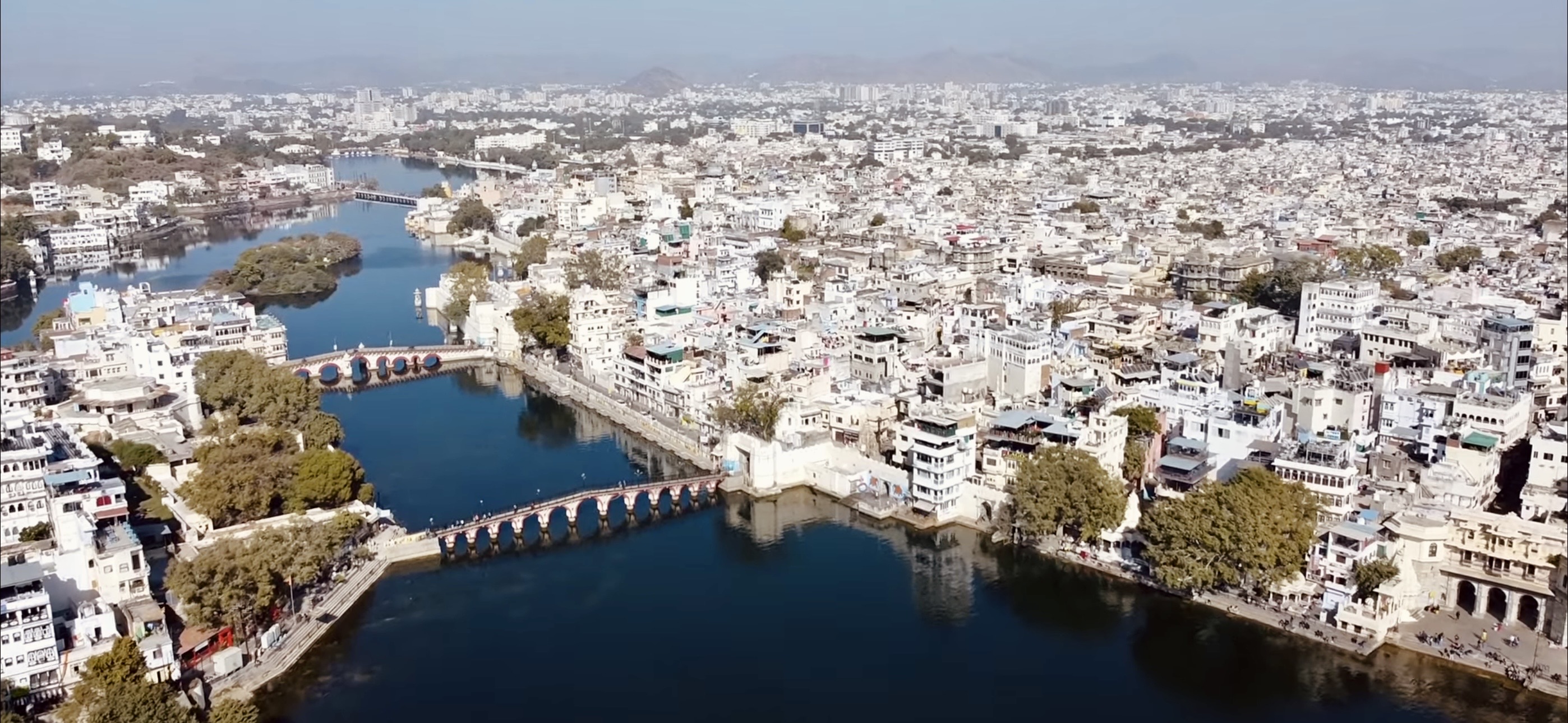
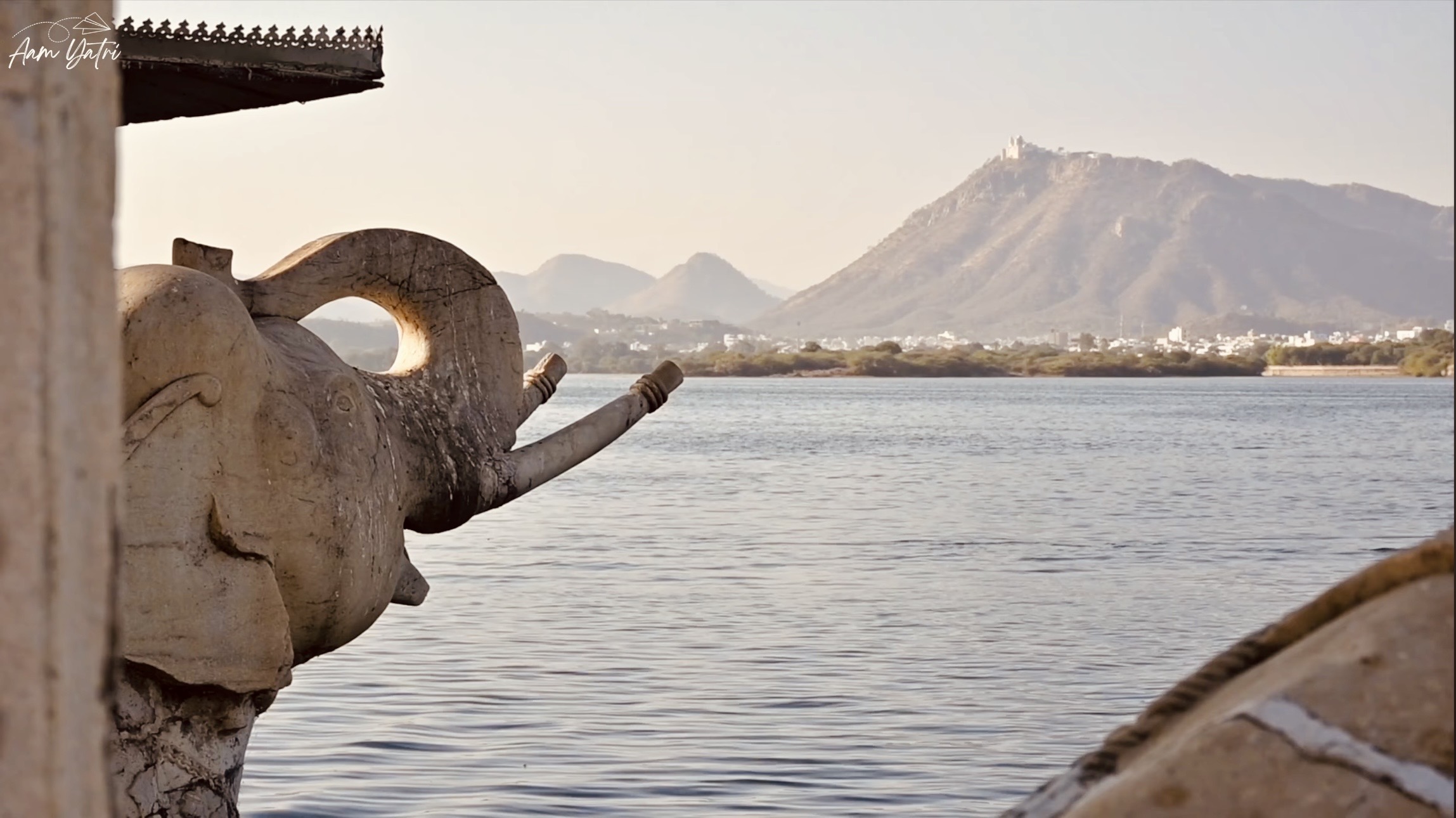
Morning over Lake Pichola, where Udaipur begins almost in silence.
Udaipur is one of those cities where beauty does not arrive all at once.
The first impression is immediate — still water, pale facades, old stone, palace silhouettes suspended above the lake — but the city does not reveal itself in one glance.
It unfolds slowly, almost deliberately, as if each hour belongs to a slightly different version of the same place.
Morning feels restrained. Afternoon sharpens everything. By evening, reflections soften the edges again, and by night the city becomes quieter than expected, almost cinematic.
Founded by Maharana Udai Singh II as the capital of Mewar, Udaipur carries titles easily — City of Lakes, Venice of the East — yet neither fully explains why it stays in memory longer than many larger cities do.
What remains with you is not simply one monument or one famous lake, but the way the city keeps leading you forward: one turn becoming another, one courtyard opening into another view, one evening stretching further than planned.
Morning at Lake Pichola: Where Udaipur Begins Quietly
Like many first-time visitors, I began where most journeys here naturally begin — near Lake Pichola.
At that hour, the lake was almost still.
The water carried reflections so gently that the city looked softer than it really was. In the middle stood Taj Lake Palace, suspended between architecture and illusion, while across the water City Palace rose above everything else, as though the skyline still belonged to it.
This is where many travelers choose to stay, and it becomes immediately clear why.
Around the lake, Udaipur offers every kind of stay — homestays, hostels, rooftop guest houses, boutique properties, heritage hotels — but what matters here is not category. It is proximity.
Even a modest room becomes memorable if the evening arrives with this view outside.
Sometimes in Udaipur, the rooftop remains with you longer than the room itself.
The city wakes slowly here. Boats begin moving before the streets fully do. Cafés open without hurry. The lake does not ask for attention; it simply holds it.
Walking Through Old Udaipur Before City Palace
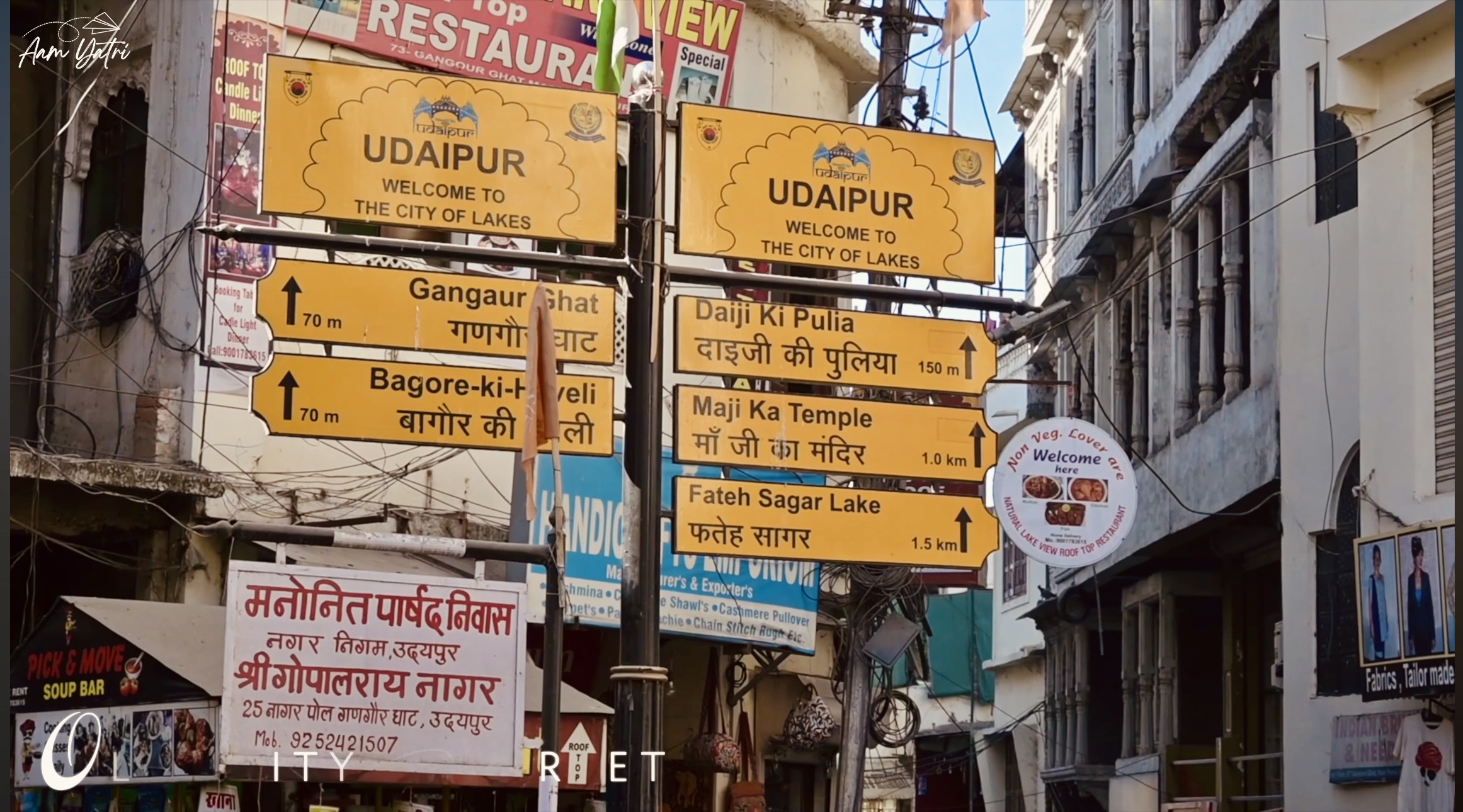
The old city begins revealing itself one narrow lane at a time.
Rather than taking transport, I walked.
And that short walk became one of the most memorable parts of the day.
The wider road near the lake gradually narrowed into old lanes where every few steps brought a new texture — miniature paintings, leather journals, hand-painted textiles, silver details, old balconies leaning above the street.
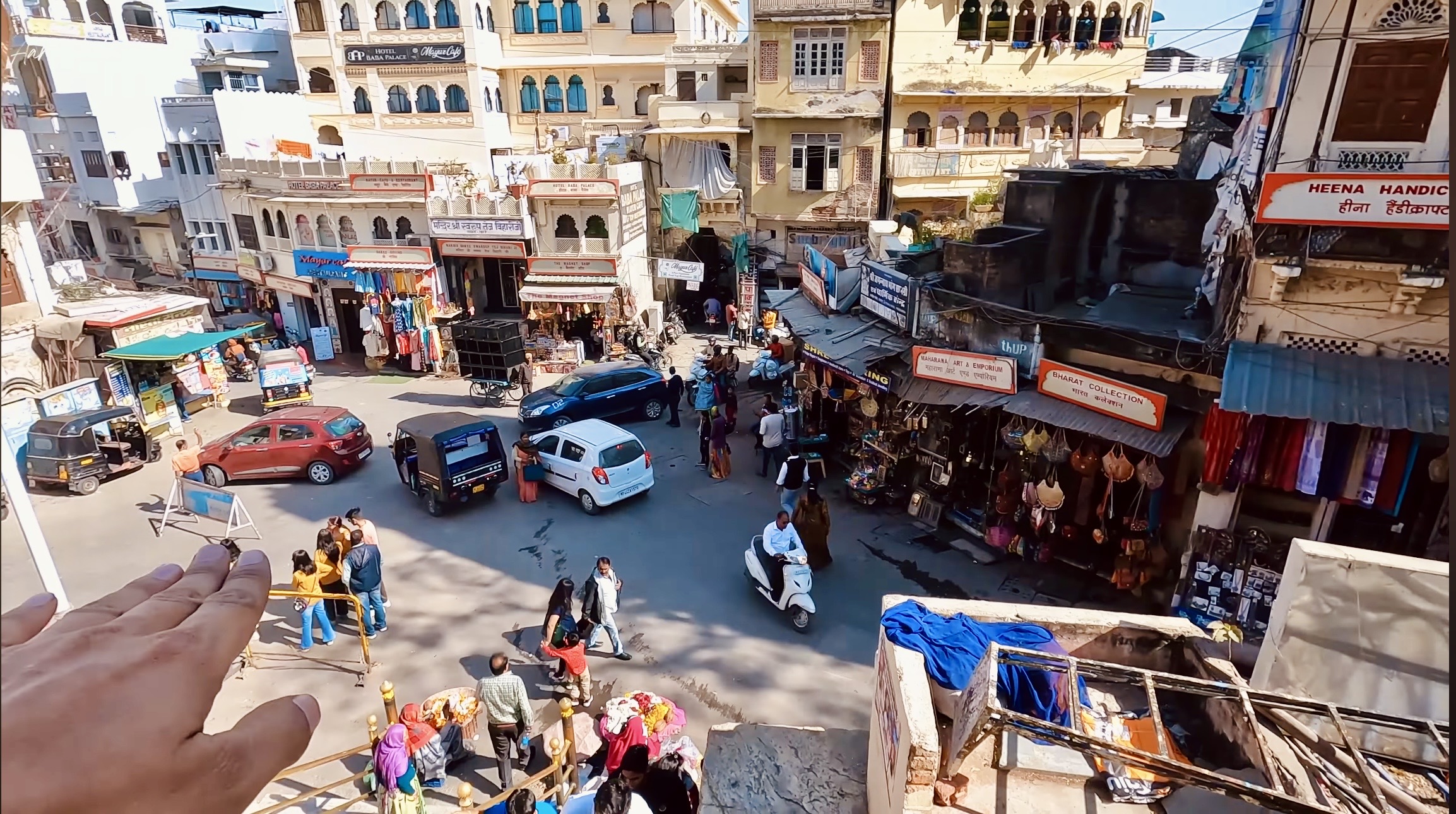
The city feels most alive between monuments.
Nothing here feels arranged for visitors, and that is exactly why it works.
The city remains visually alive without trying too hard.
It is the kind of street where you begin walking toward one destination and repeatedly forget why you were in a hurry.
Jagdish Temple: A Pause Before Royal Udaipur
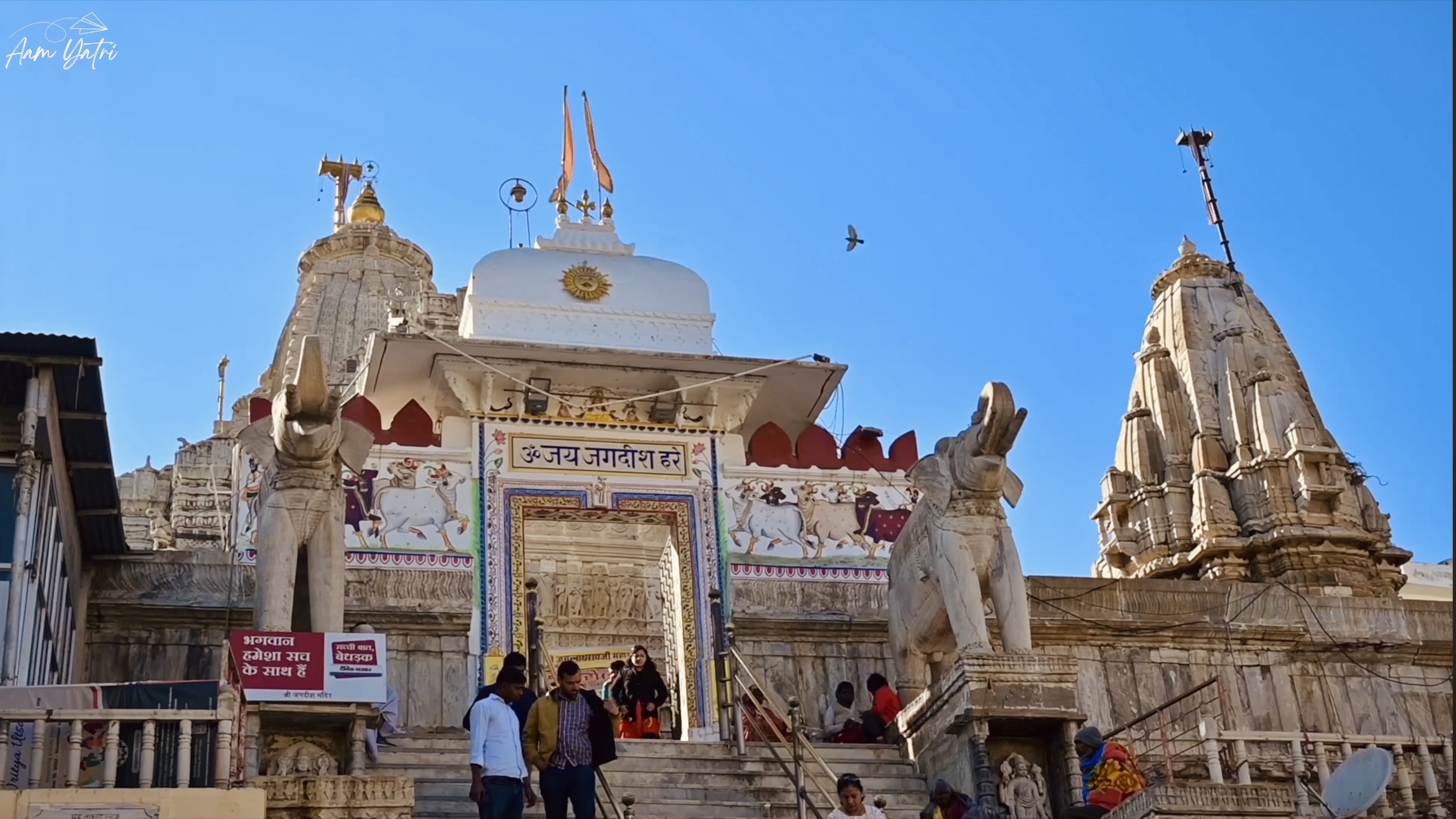
Stone, symmetry and centuries still intact.
Built in 1651, Jagdish Temple changes your pace immediately.
The marble staircase, carvings and brass details still hold remarkable sharpness, but what matters more is how naturally the temple remains woven into daily life.
Even after centuries, the temple remains fully alive.
Standing there, it felt less like a monument and more like a transition — ordinary city rhythm giving way to royal Udaipur.
Inside City Palace: Where Udaipur Expands
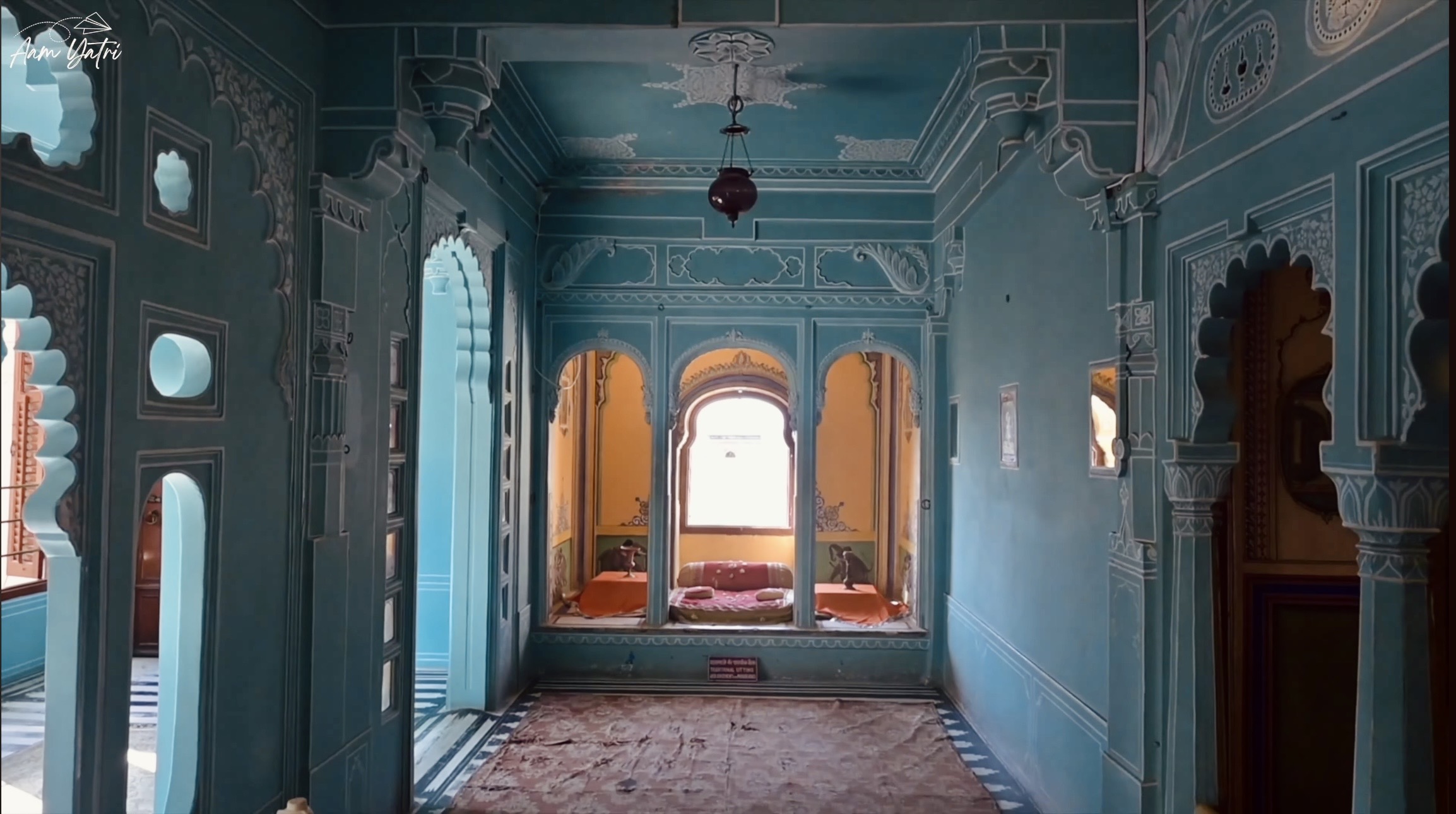
Inside City Palace, every corridor opens into another century.
City Palace does not reveal scale immediately. It accumulates it.
One courtyard leads into another. Balconies appear unexpectedly. Windows begin framing the city differently every few minutes.
The deeper you move inside, the more the palace begins feeling like an elevated city of its own.
A Simple Lunch Before The Lake Again

Some meals belong exactly to the moment they arrive in.
After hours of walking, Dal Baati Churma felt less like food and more like pause.
Boat Ride to Jag Mandir
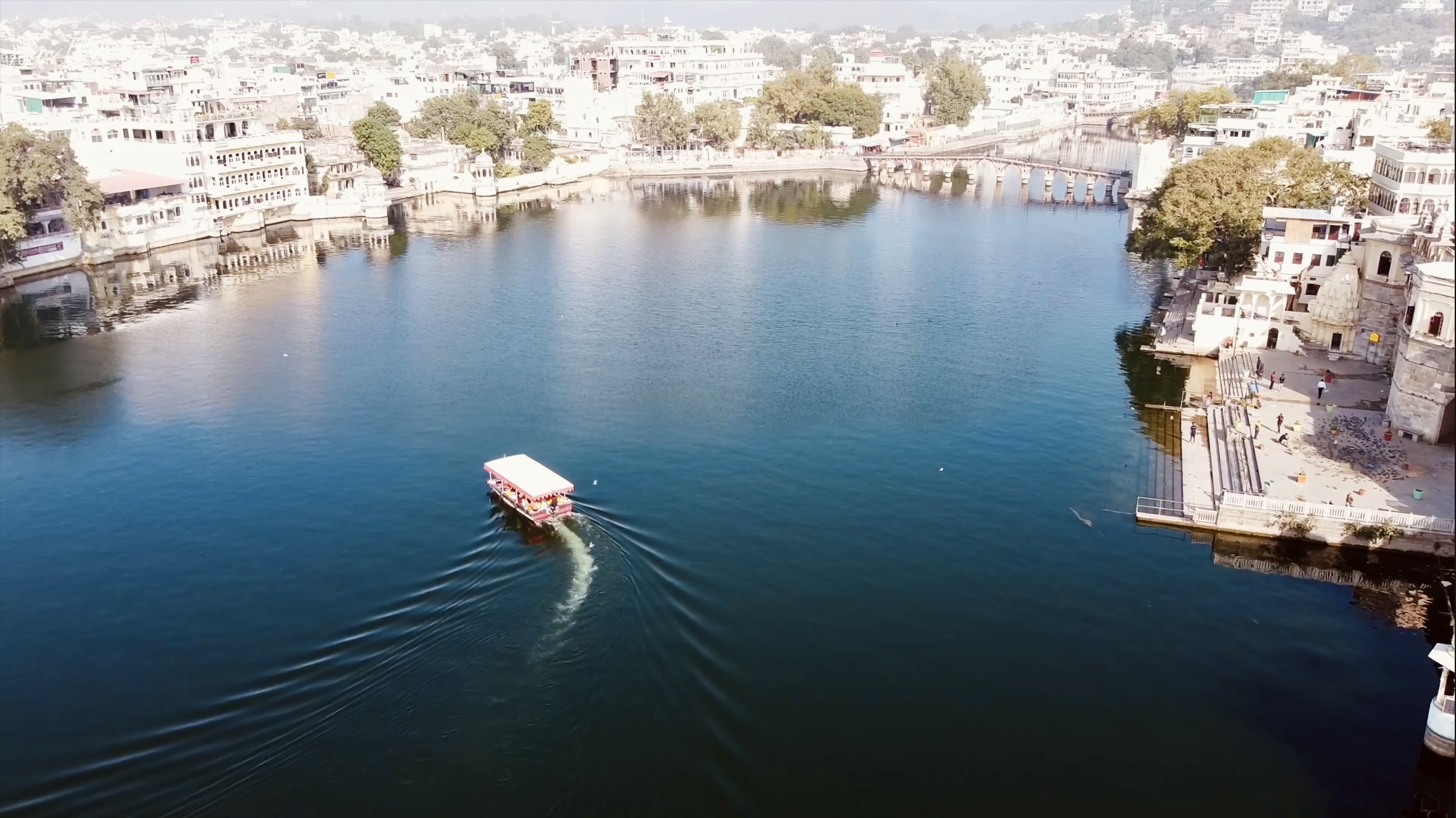
By evening, the city begins reflecting differently.
Once the boat moved away from shore, Udaipur changed again.
Buildings familiar from the street suddenly looked cinematic from the lake.
Bagore Ki Haveli and Nightfall
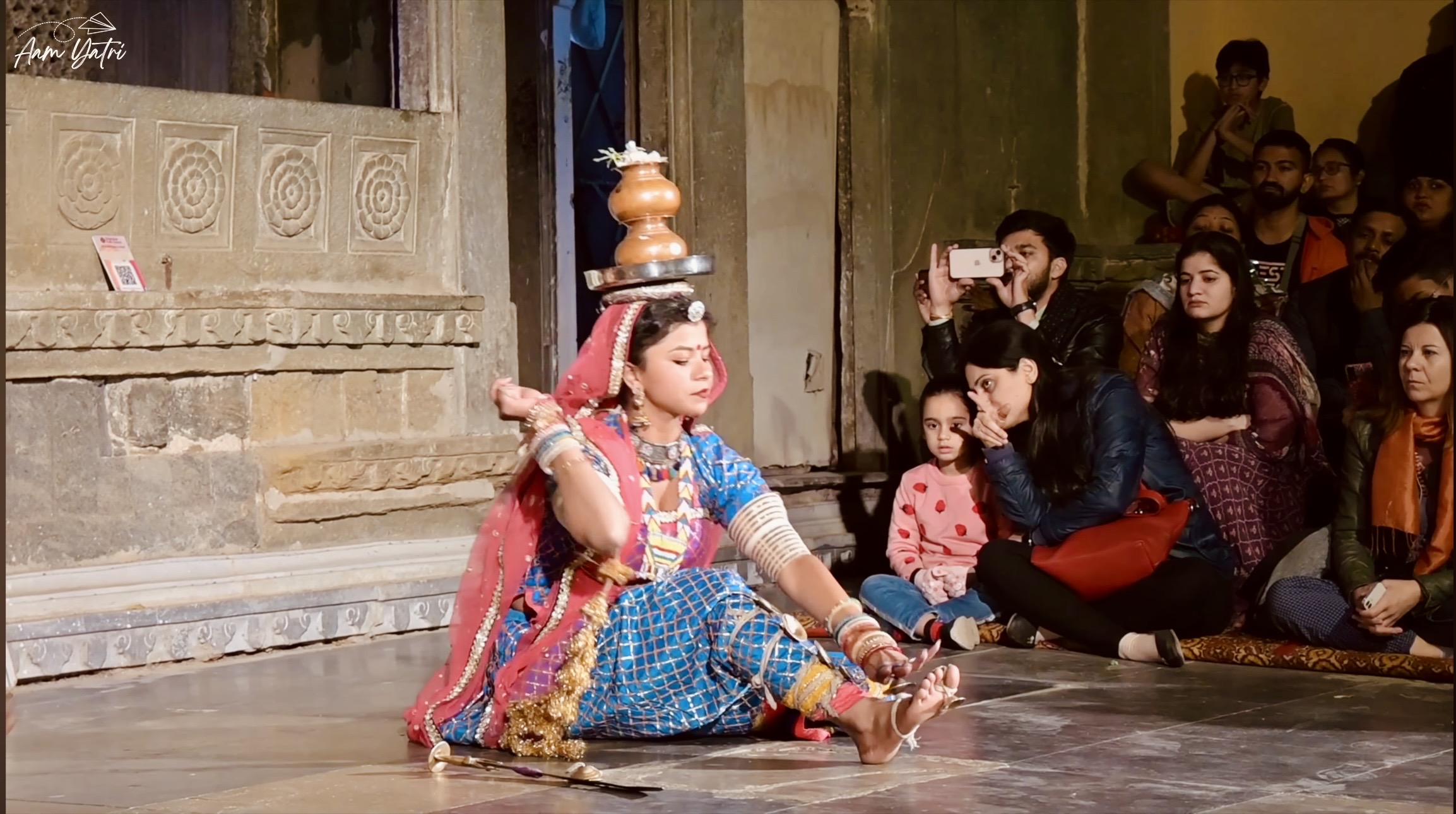
An evening where movement, music and old stone meet naturally.
By evening, Bagore Ki Haveli feels less like performance and more like continuation of the city outside.
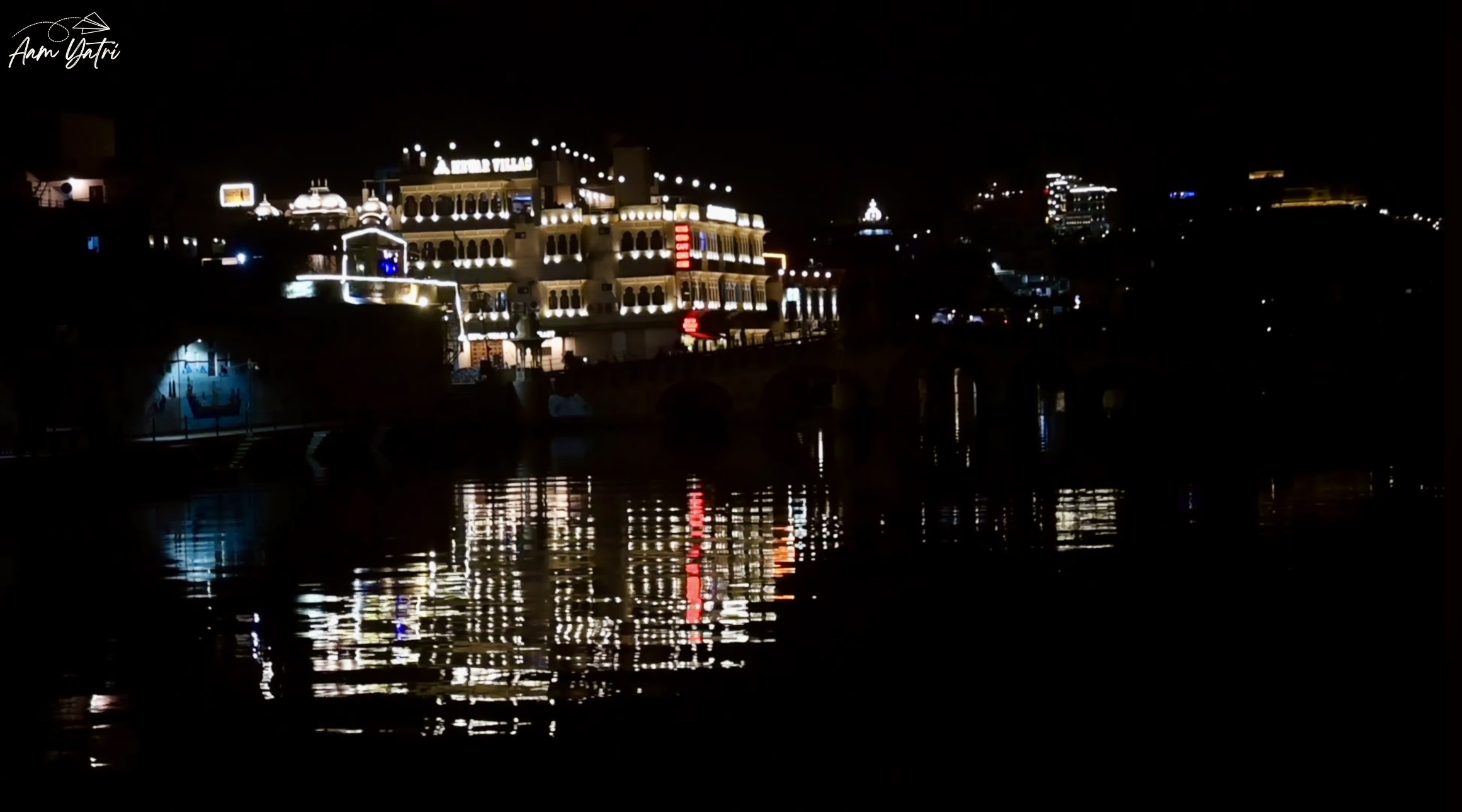
By night, Udaipur becomes softer than memory.
Why This Part of Udaipur Stays With You
What remained with me most was not one palace, one temple or one lake view.
It was the way Udaipur kept changing without ever losing itself.
Morning belonged to still water.
Afternoon belonged to stone and history.
Evening belonged to reflection.
Night belonged entirely to memory.