South Goa Travel Guide: Hidden Beaches, Portuguese Streets, Carnival and Quiet Places Beyond the Tourist Route
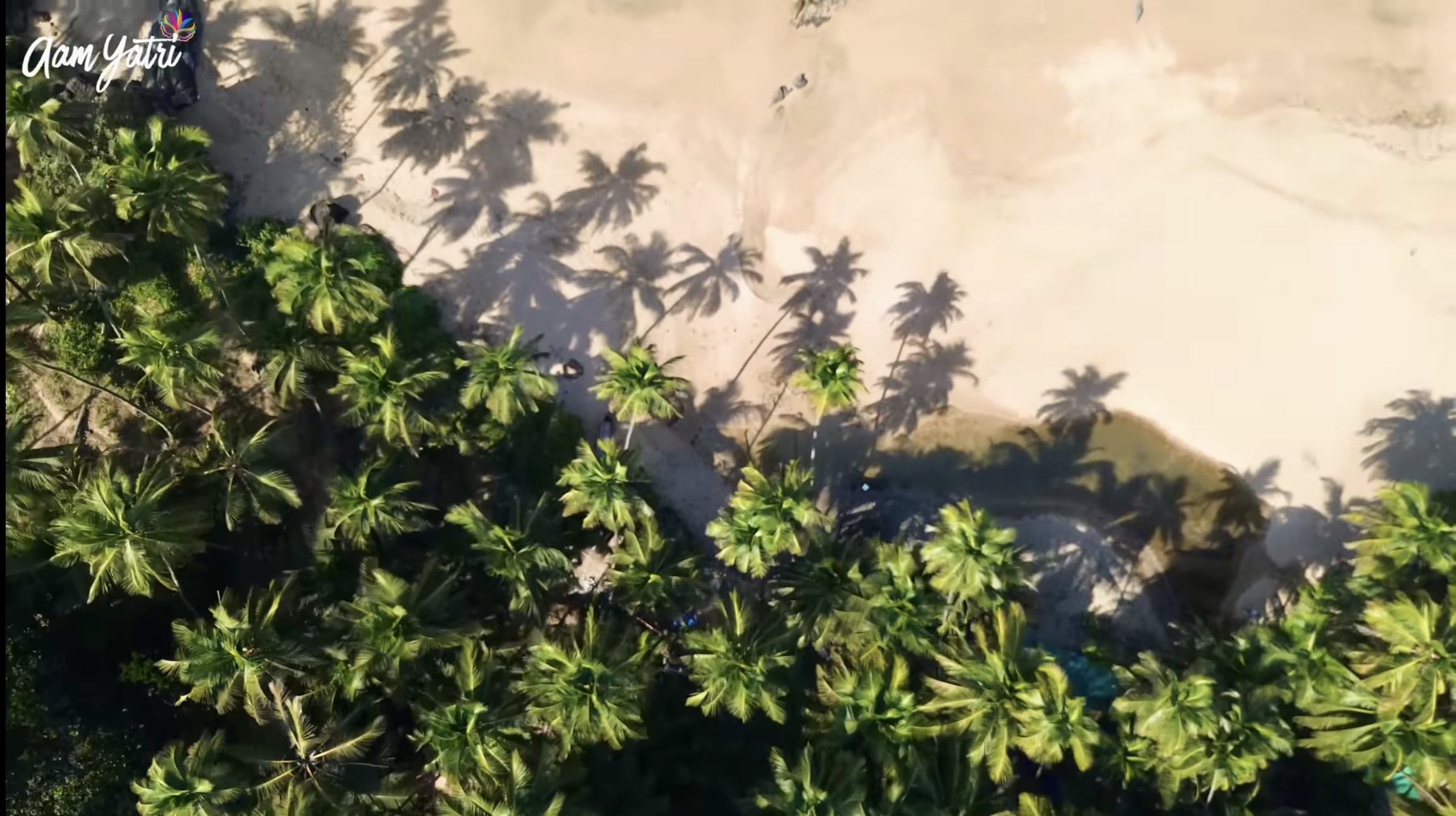
A quieter South Goa begins where expectation ends.
Goa has a strange habit of proving certainty wrong. Every time I arrive thinking I already understand it — after enough visits, enough beaches, enough roads, enough stays — it quietly reveals another side that was somehow waiting outside everything I had seen before.
This time too, I came with that same confidence because after travelling to Goa so many times, I genuinely believed I knew the best places, the best beaches and the best things to do here. But Goa surprised me again.
And perhaps that is exactly why Goa keeps pulling people back — because even familiarity never feels complete.
This journey unfolded differently. Not through the Goa that usually appears first in conversations, not through crowded beaches or obvious routes, but through places that slowly opened one after another and kept feeling unexpectedly fresh even for someone who thought he already knew Goa well.
Fontainhas: Goa’s Quiet Portuguese Soul
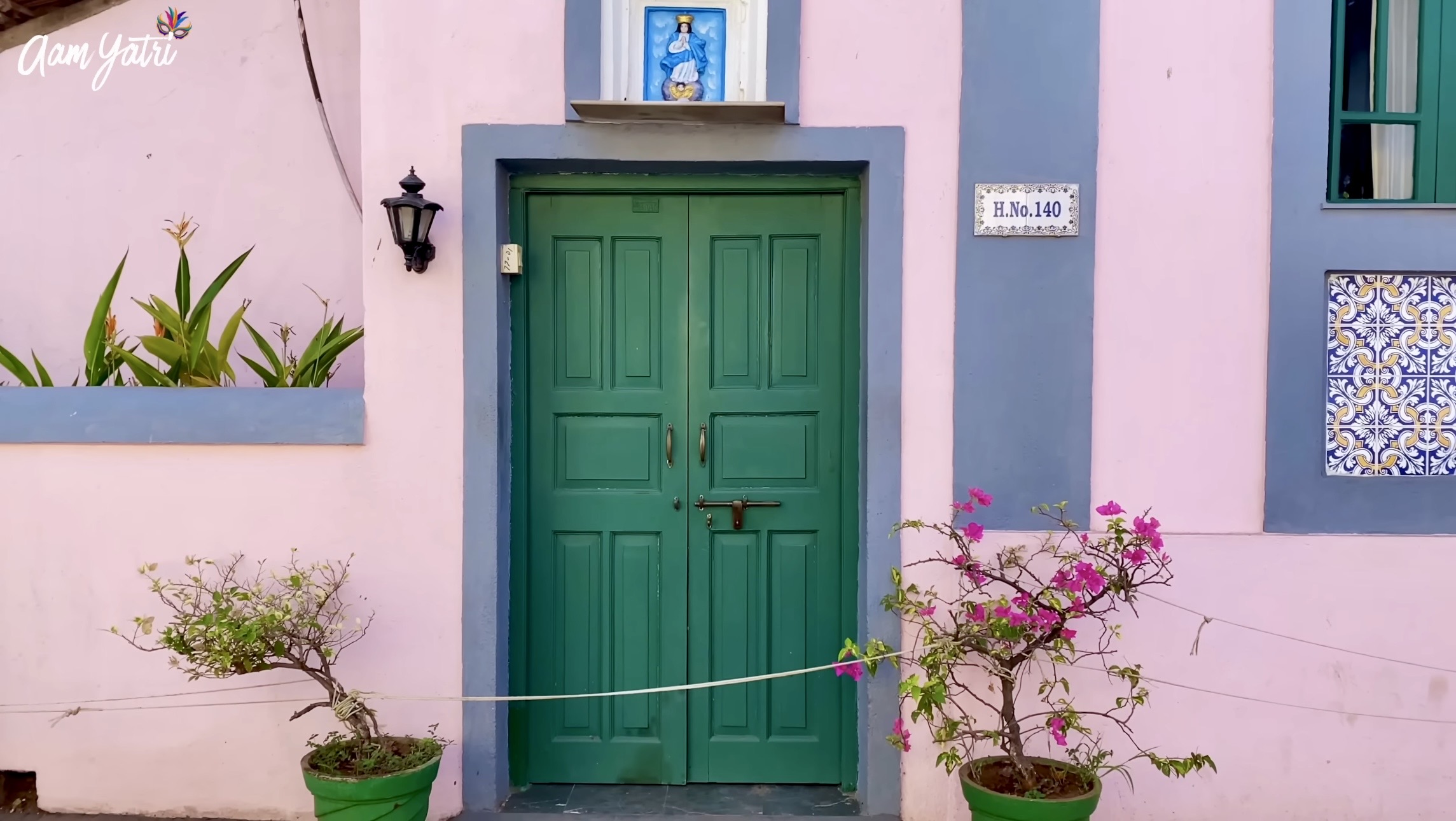
Some streets do not ask to be explored fast.
The journey began in Fontainhas, and almost immediately Goa changed its tone. The moment I entered these streets, one thought came naturally — this looked strikingly similar to old town areas I had seen outside India, especially the kind of colourful streets where architecture itself becomes the experience.
The roads narrow quietly here. Houses stand close together, painted in yellow, blue, green and red, carrying old Portuguese influence in a way that still feels alive rather than decorative.
What makes Fontainhas special is that it does not feel arranged for tourists. It feels lived in.
Some buildings clearly mention that photographs are not allowed in front of them. That matters because this area has reached a point where many private homes have had to protect their own space from becoming constant photo spots.
One café worth stopping at here is The Crunch Story. Their extra strong cold coffee works beautifully in Goa’s weather, and even the butter chicken burger genuinely stands out.
Kakolem Beach: The Descent to Silence
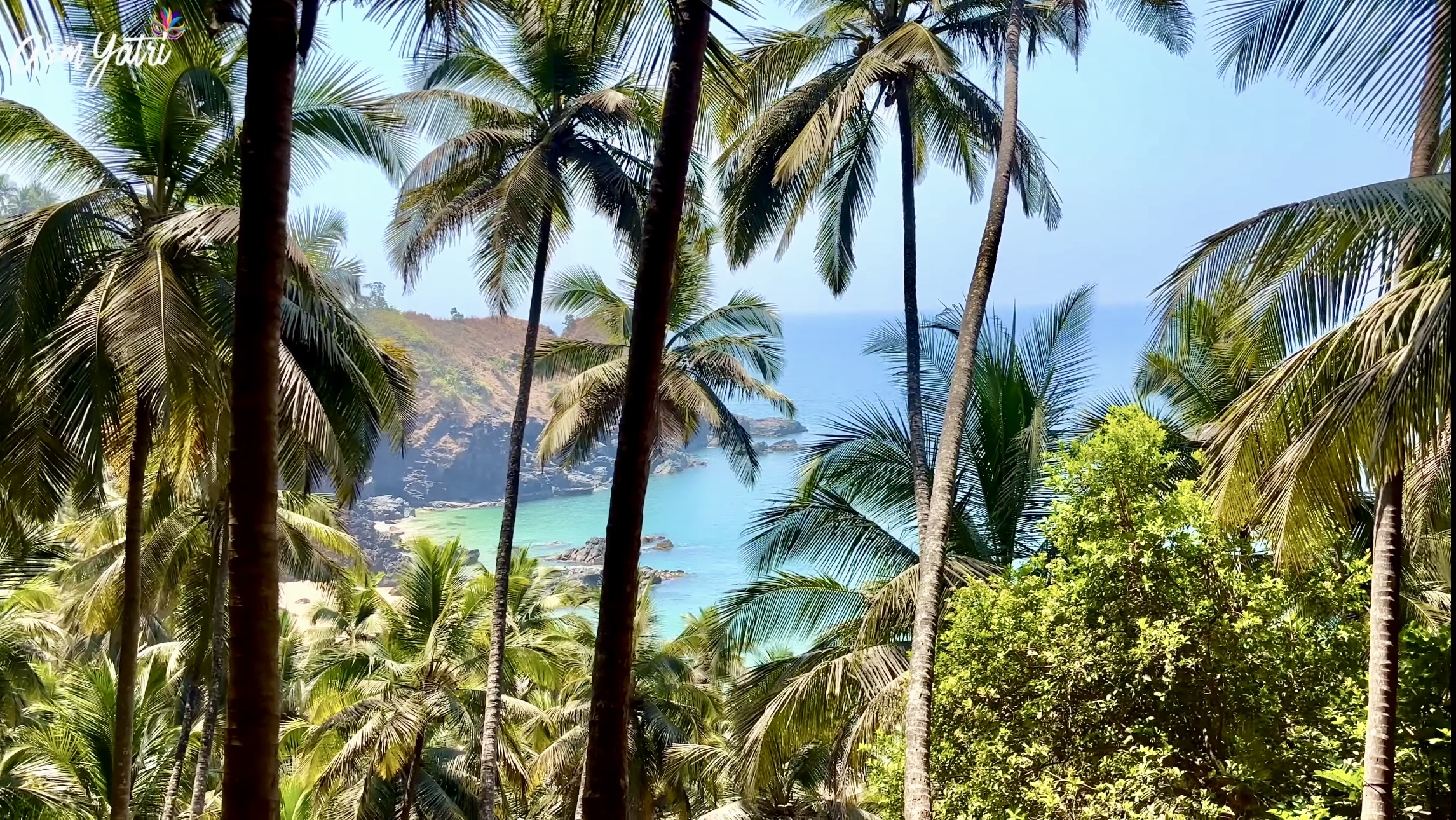
The path down already tells you this beach is different.
From there, South Goa began opening differently. Reaching Kakolem is not simple, and perhaps that difficulty is exactly why the beach still feels untouched.
After parking above, the route continues downward for nearly six to seven hundred meters through rough terrain until the sea begins appearing between cliffs.
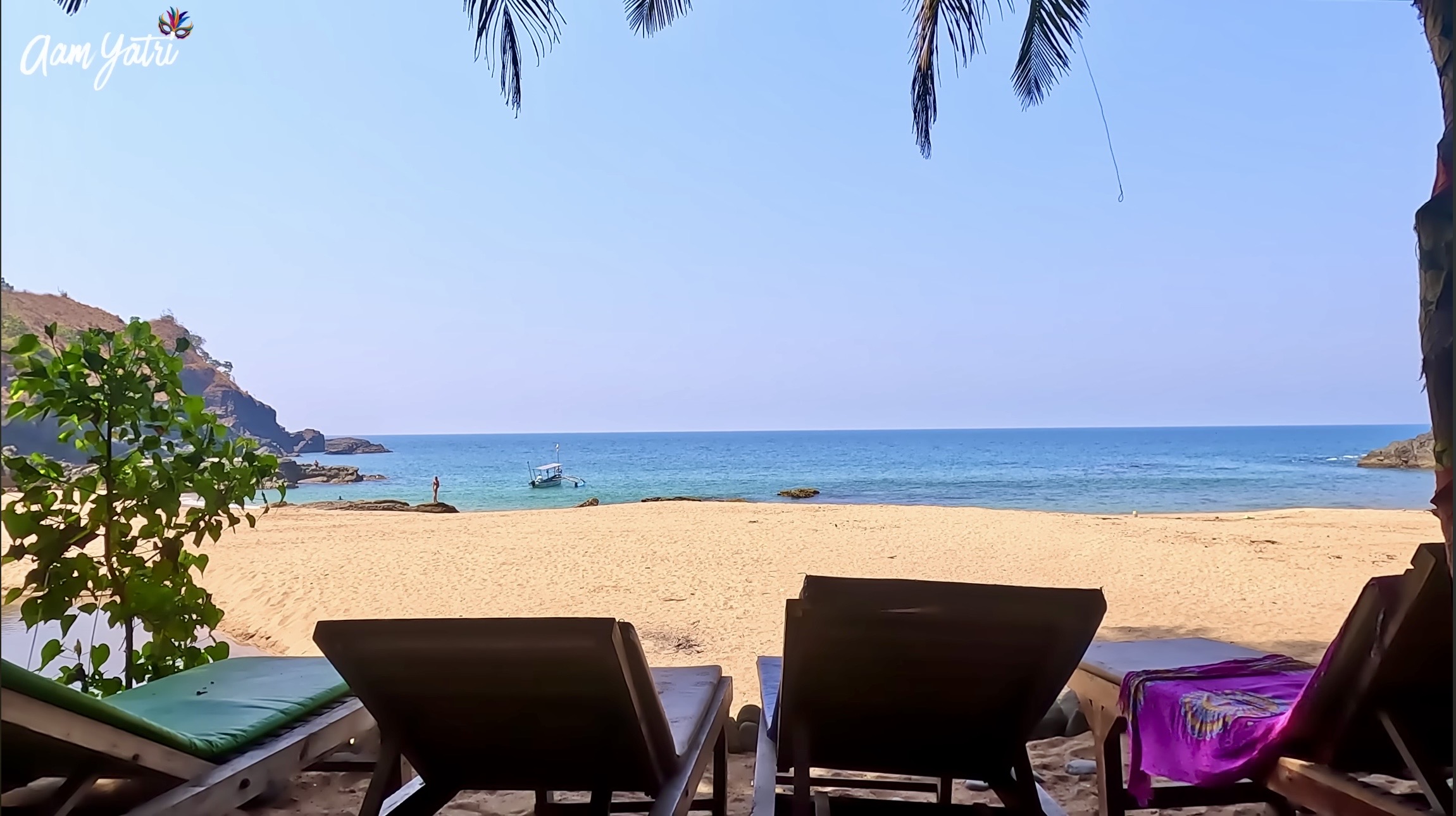
Silence arrives before the sea fully does.
When the beach finally opens completely, it does so with unusual force. The shoreline curves quietly between cliffs, the water looks exceptionally clean, and the entire setting immediately feels separate from the Goa most people know.
There were only a few people present. A shack stood quietly on one side. Beyond that, almost complete silence.
And then something else became noticeable — there was no network.
Strangely, that absence did not feel inconvenient. It felt right.
For a while, the strongest feeling was that nothing outside the present moment existed strongly enough to matter. No past, no future — only the exact stretch of time in front of the water.
A small shack nearby serves simple food, and if you arrive in the morning, even breakfast there becomes part of the experience. Poori bhaji in that setting somehow feels exactly enough.
Goa Carnival: When the State Becomes a Festival

For a few hours, Goa becomes colour in motion.
This trip also happened to coincide with Goa Carnival, and suddenly the journey changed energy completely.
Goa Carnival usually takes place every year in February or early March, just before Lent begins, and remains one of the most distinctive cultural celebrations in India. Though its roots go back to Portuguese rule, the modern public parade format took stronger shape in the 1960s and has since become one of Goa’s most anticipated annual events.
The celebrations move through different towns — Panjim, Margao, Vasco and Mapusa among the main ones — and each place carries its own atmosphere, though Panjim often draws the biggest crowd.
The roads filled gradually, people gathered, floats arrived, music rose, and the atmosphere began transforming into something that felt deeply local rather than tourist-made.
What stood out most was how naturally every age group seemed involved — children, elders, families, local groups.
The parade itself carries strong visual energy, led traditionally by King Momo, followed by dancers, musicians and colourful floats.
Entire local communities prepare these floats for weeks, often adding themes based on culture, humour or local life, and what emerges is not just spectacle but participation.
Food remains affordable, most events remain free, and despite the crowd, the atmosphere stays surprisingly comfortable.
Cavelossim: Goa the Way It Once Felt
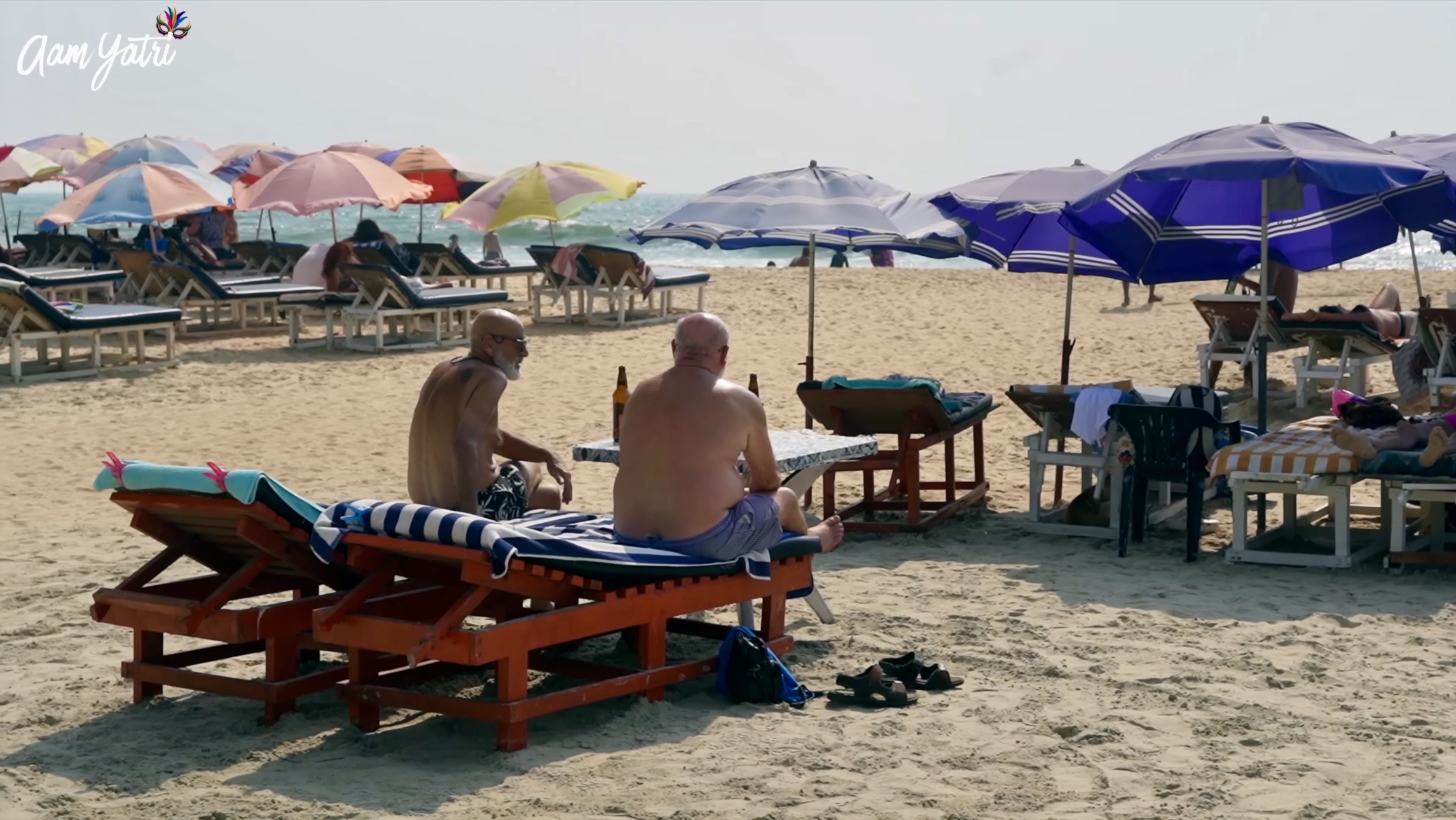
A shoreline that still remembers older Goa.
Later, the journey moved toward Cavelossim, and the first thought that came naturally was simple — this felt like Goa from years ago.
Long stretches of open beach, spaced-out shacks, fewer people, fewer interruptions.
It immediately brought back memories of how Goa used to feel ten or fifteen years ago when many beaches still carried more empty space than activity.
Cavelossim carries that older rhythm beautifully. The beach remains long and open, with wide walking stretches where the sea feels uninterrupted for minutes at a time.
There is no urgency here. A few shacks stand quietly, some travellers sit for hours without movement, and even the breeze feels slower than elsewhere.
This is the kind of beach where the absence of activity becomes its strongest quality.
Stay Near Varca: Comfort Without Noise
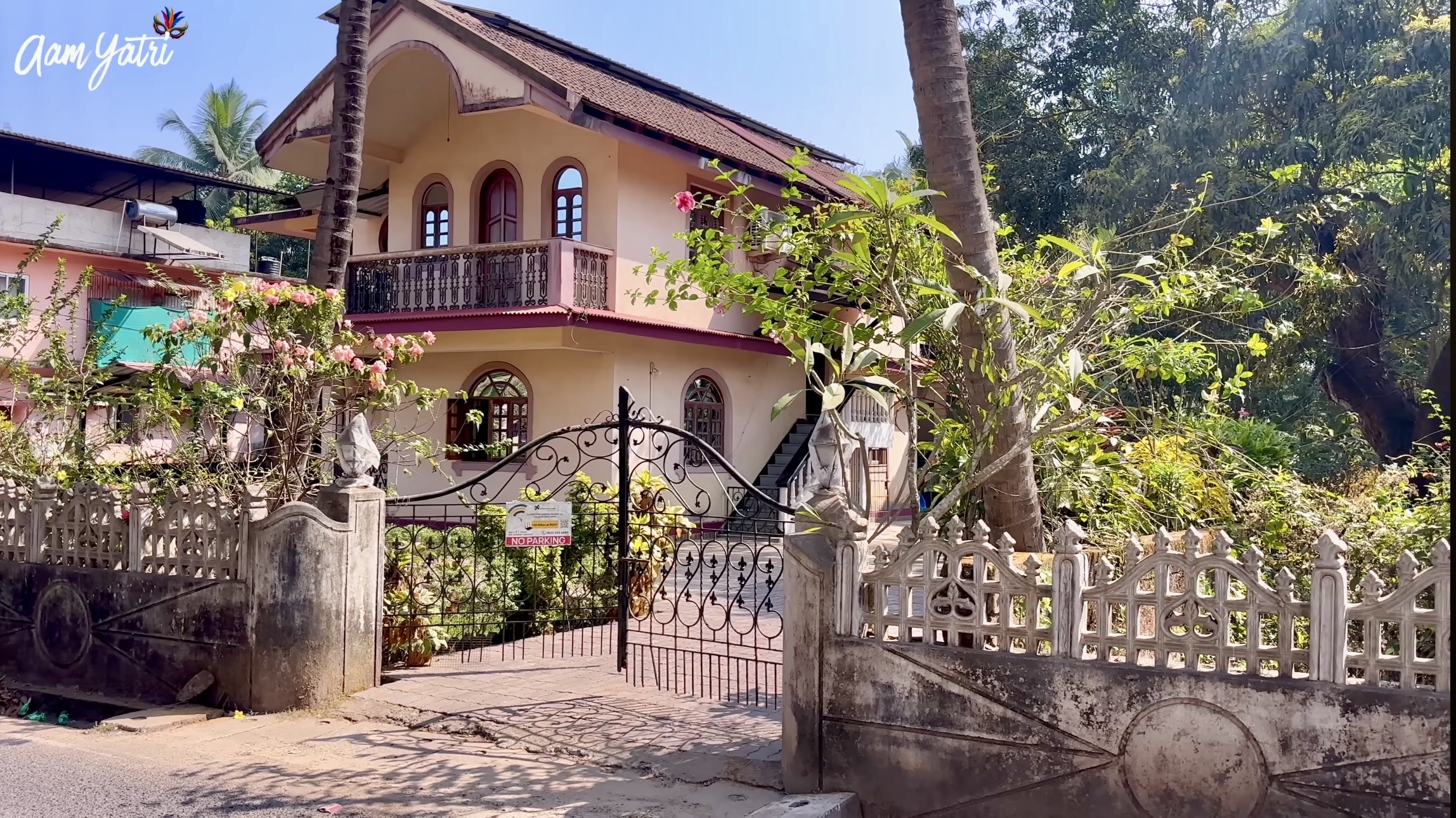
Sometimes comfort matters more when the journey is long.
This trip also reminded me how much a stay changes the mood of a journey.
Instead of choosing something purely designed for tourism, I stayed near Varca in a simple homestay setup that quickly began feeling more like temporary living.
A clean room, practical kitchen, water refill, storage, walking distance to beach — nothing excessive, but everything useful.
That simplicity worked beautifully.
Cabo de Rama: The Final Quiet
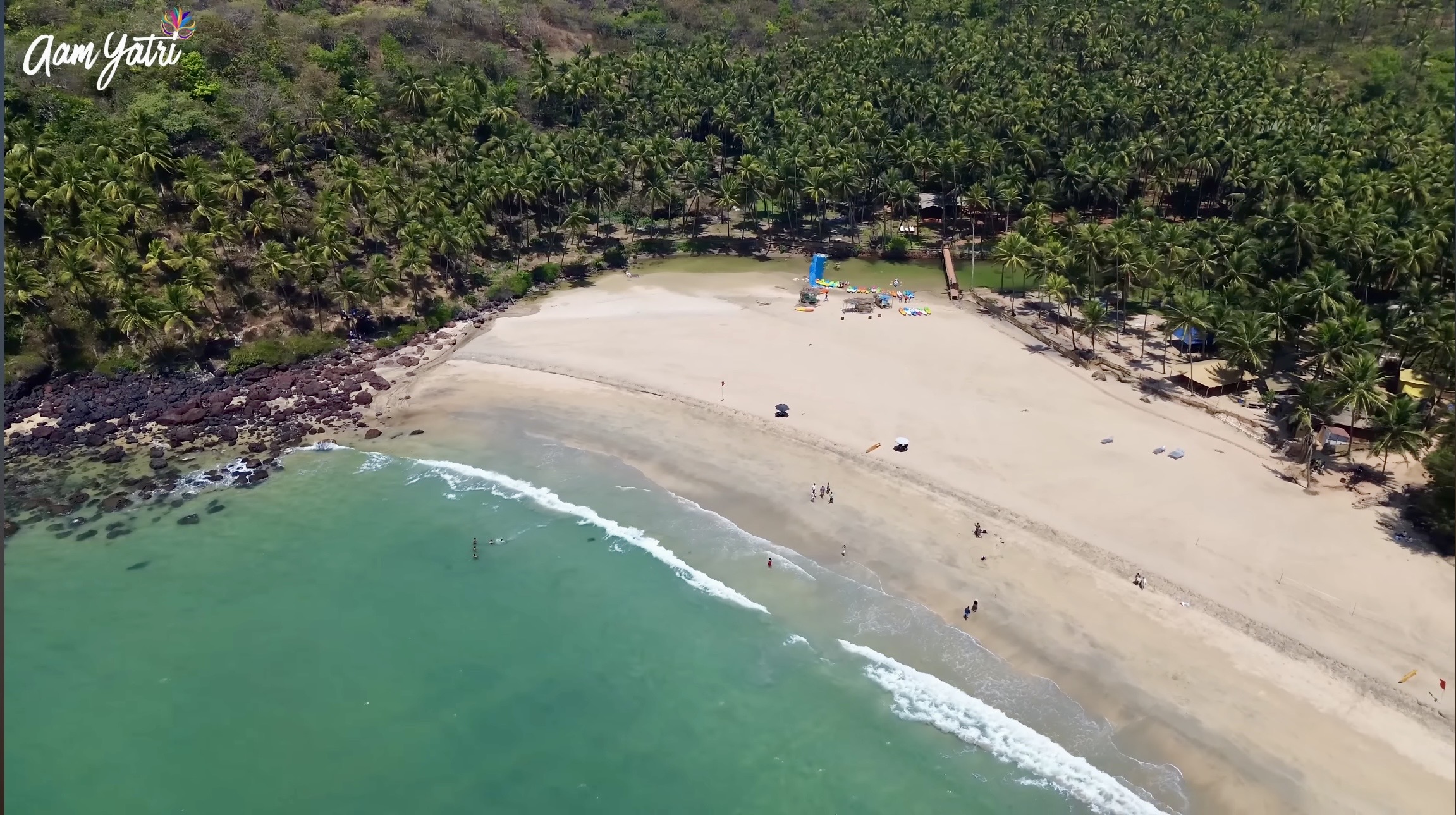
Some sunsets ask for nothing except time.
The final part of this journey arrived at Cabo de Rama, and in many ways it felt like the correct ending.
Most visitors know Cabo de Rama because of the historic fort above, but below that dramatic coastline lies a beach that still feels almost untouched.
The beach opens quietly, without dramatic arrival, but once there the full setting begins to settle slowly — open shoreline, one shack, minimal crowd, cliffs framing everything with unusual calm.
From above, the full view becomes extraordinary.
The sea stretches widely, the beach curves below, and sunset here changes everything again.
As evening begins, the cliffs slowly catch warm light and the beach becomes even quieter, almost as if the place intentionally lowers its own volume.
Some places ask for activity. Some places simply ask you to remain there long enough.
Cabo de Rama belongs to the second kind.
Some journeys stay longer not because of distance, but because of how quietly they enter memory.