Rameshwaram: Where Faith Begins with the Sea and Every Road Carries a Story
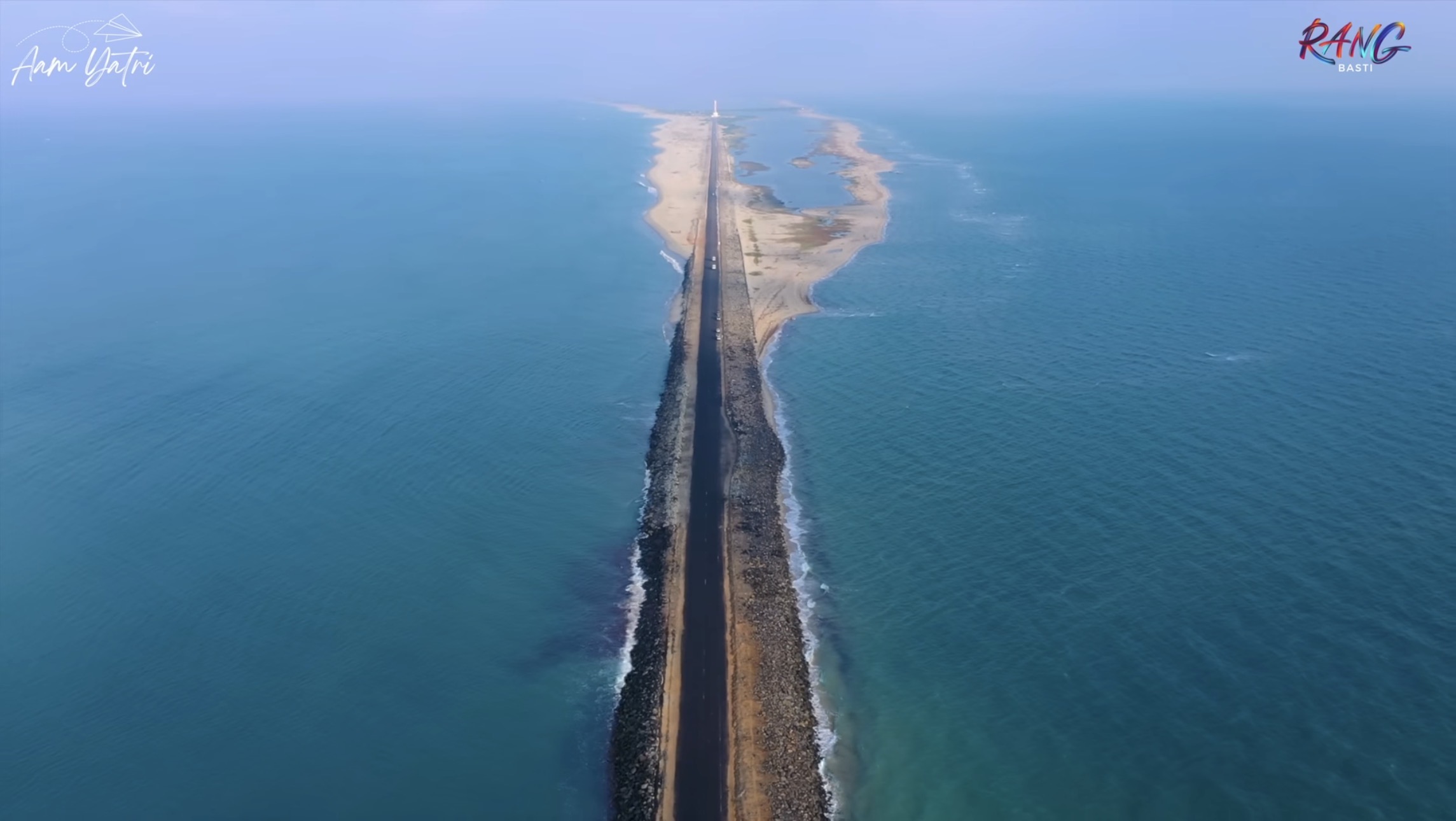
Some places in India begin long before you arrive there. Rameshwaram is one of them. The moment you hear its name, you already feel history, mythology and devotion together. Even the name itself begins with Ram, and almost everything about this island town is connected to Lord Rama — its identity, its spiritual importance and the stories people have carried here for centuries.
Located on the small yet deeply significant Pamban Island in Tamil Nadu, Rameshwaram is one of the four sacred Char Dham pilgrimage destinations of India. But what makes it unforgettable is that beyond religion, it offers something rare — roads surrounded by sea, intense coastal winds, temple rituals, lost towns, silence, and moments that stay long after the journey ends.
From Delhi, Rameshwaram lies nearly 2700 kilometers away, but reaching here today is easier than many imagine. Flights connect smoothly through Madurai, which is the nearest airport. From Madurai, buses, taxis and cabs are easily available. The closer you move toward the island, the more the journey changes. Humidity rises, coastal air appears, and then comes the iconic stretch near Pamban.
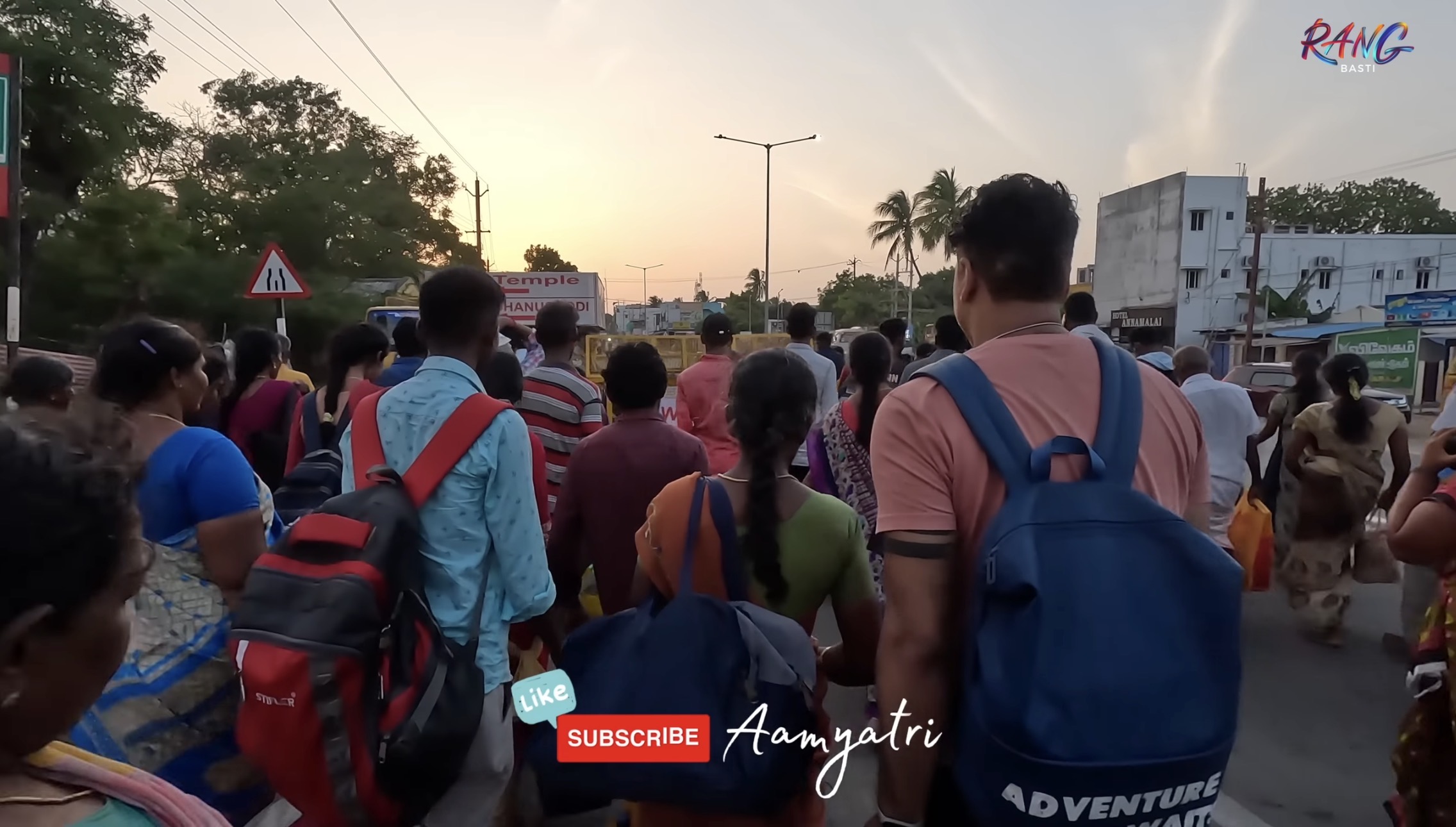
I reached Rameshwaram on the last Amavasya of Shravan, one of the most auspicious days for temple darshan here. The atmosphere was completely different from an ordinary travel day. Vehicles were unable to enter many inner roads because thousands of pilgrims had already filled the temple area.
Buses and autos were dropping passengers far before the temple zone. Families carrying luggage, elderly people walking patiently, children holding hands, wet clothes, temple offerings — everyone was moving slowly through the same crowded streets.
Like everyone else, I also began walking with luggage. Walking itself was manageable, but doing it in humidity, with crowd pressure and luggage, quickly reminded me that some places test patience before they reward you.
My hotel was near Ramanathaswamy Temple, which is exactly where anyone visiting should stay. In Rameshwaram, being close to the temple saves both time and energy because most activity begins and ends around this area.

To explore the town properly, I rented a scooter for ₹700 per day. Initially it felt slightly expensive, but compared to local taxis charging ₹2500 to ₹3000 for a day, it quickly felt like the best decision.
A scooter changes the experience because Rameshwaram is not a place where you should move only point to point. Here, the road itself becomes memory.
You stop where the sea suddenly opens beside you. You slow down where the light changes. You take your own pauses without depending on anyone.
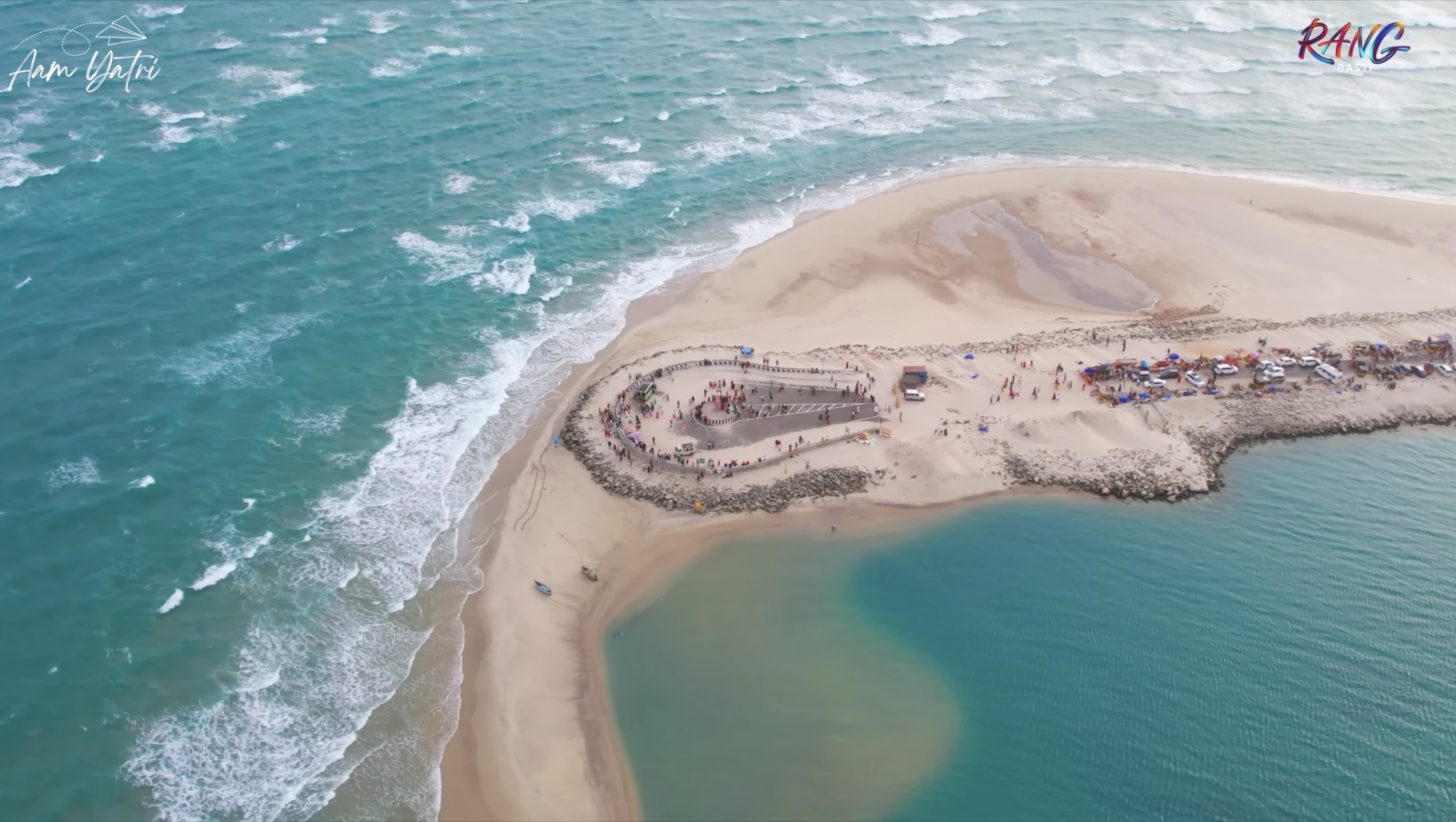
The first destination was Dhanushkodi, around 25 kilometers from Ramanathaswamy Temple. This road is one of the strongest reasons why people remember Rameshwaram so vividly.
At several points, the sea appears so close that the road feels suspended between water and sky. The color of the water keeps changing — pale blue, turquoise, silver — depending on sunlight and angle.
One side of Dhanushkodi touches the Indian Ocean, the other side touches the Bay of Bengal. According to belief, this is where Lord Rama began the Ram Setu toward Lanka.
This place also carries another story — the devastating cyclone of 1964 that completely destroyed the old town. That is why Dhanushkodi is often called a ghost town.
Yet standing there, it never feels empty. The winds are extremely strong. Sand keeps crossing the road. At moments it feels less like standing near the sea and more like standing in a desert touched by water.
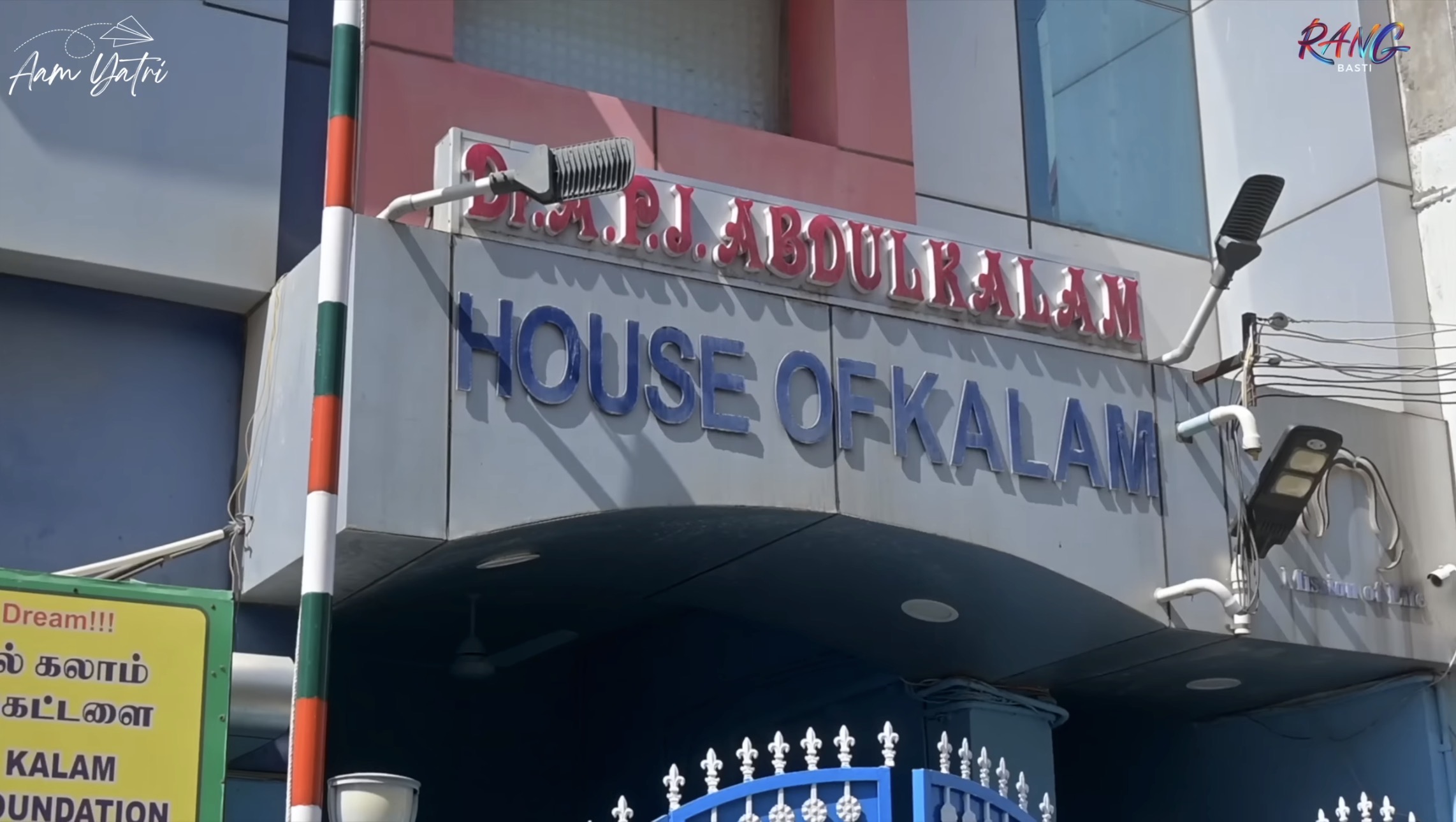
Back near the temple area, one stop became unexpectedly powerful — A.P.J. Abdul Kalam House.
The childhood home of Dr. A.P.J. Abdul Kalam has now become a museum. The ground floor remains preserved while upper floors display his degrees, awards, memories and achievements.
What stays with you here is not luxury but simplicity. In a town defined by mythology, this place quietly reminds you that modern inspiration also belongs here.
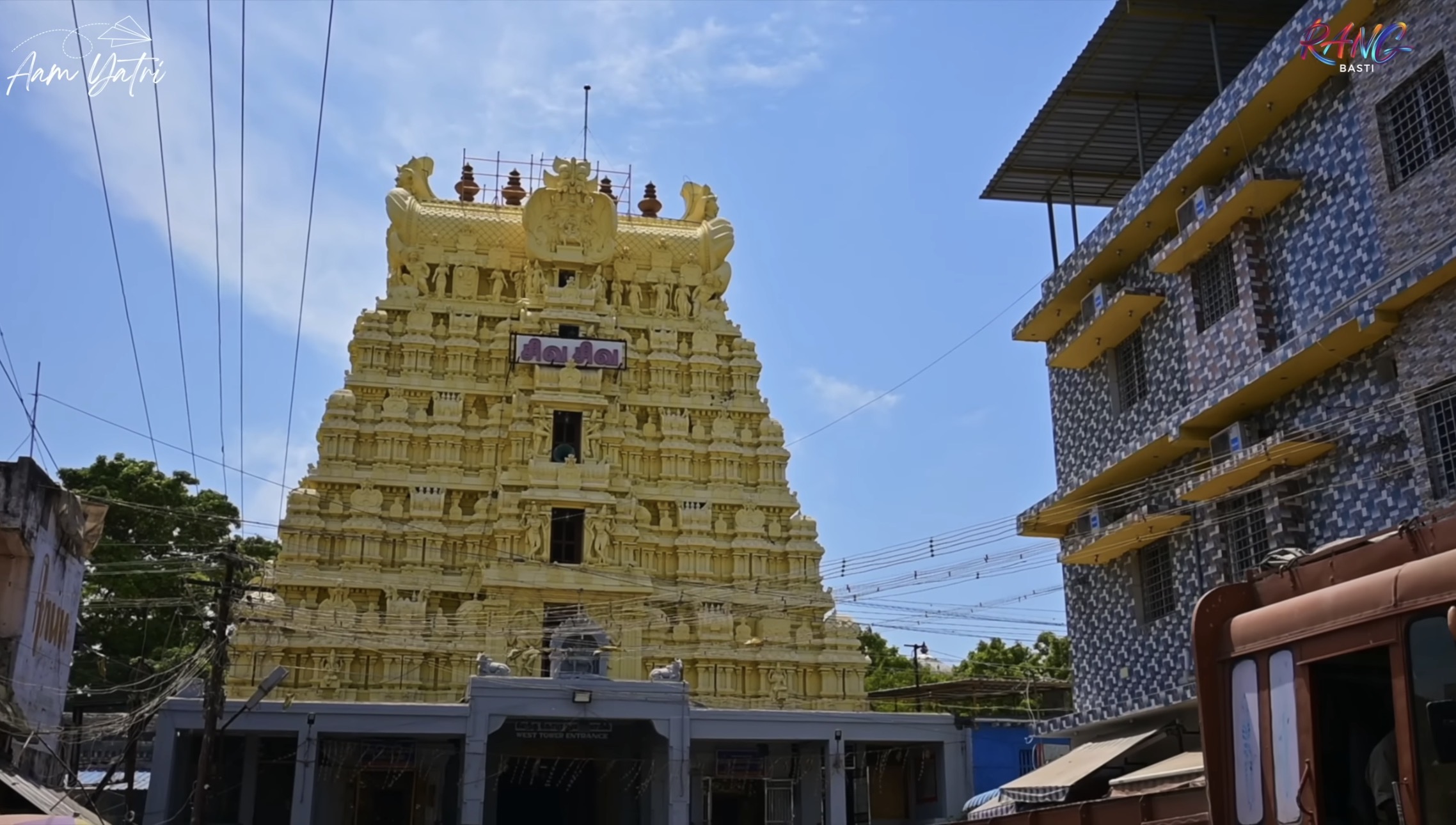
Before entering Ramanathaswamy Temple, I decided to buy a traditional dhoti from the local market.
There were multiple options — ready wear, stitched, traditional tie versions — but naturally the authentic tied dhoti felt right for this place.
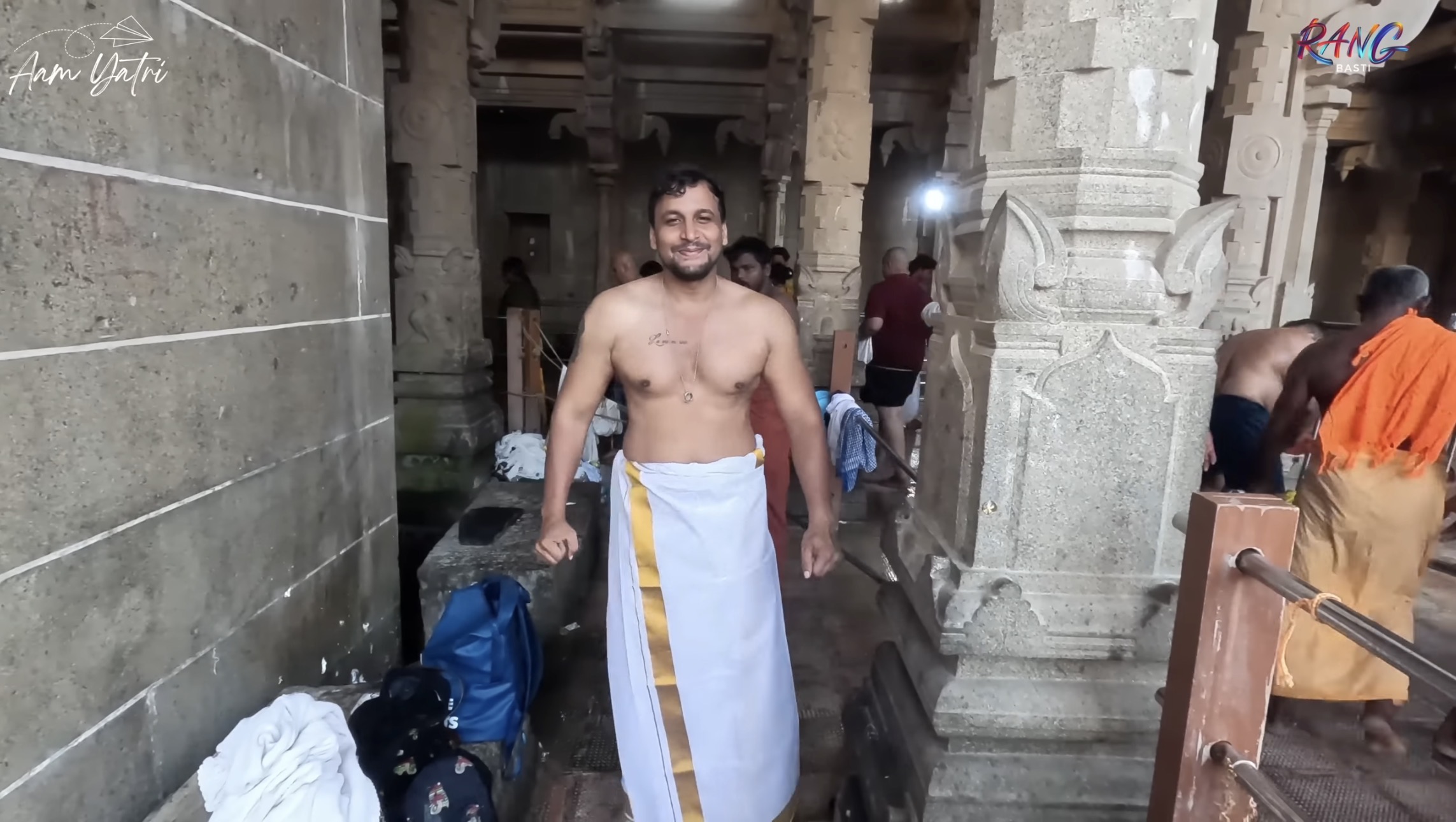
Wearing local attire changed the feeling completely. Sometimes clothing changes how deeply you enter a place.
Ramanathaswamy Temple is one of India’s 12 Jyotirlingas and one of the most spiritually powerful temples in the country.
According to belief, Lord Rama worshipped Lord Shiva here after defeating Ravana.
Before darshan, pilgrims traditionally pass through 22 sacred wells inside the temple. Water from each well is poured over the body, and each carries separate spiritual meaning.
Agni Theertham, Surya Theertham, Chandra Theertham, Yamuna Theertham, Lakshman Theertham — all form part of this sequence.
By the time all 22 are completed, the ritual stops feeling mechanical and becomes deeply meditative.
The temple corridor stretches nearly 1220 meters and is among the longest temple corridors in India. The pillars, symmetry and silence create an atmosphere that photographs never fully explain.
By evening, the crowd reduced and the temple became quieter. Standing before the Shivling felt deeply still — one of those rare moments when outside noise disappears completely.
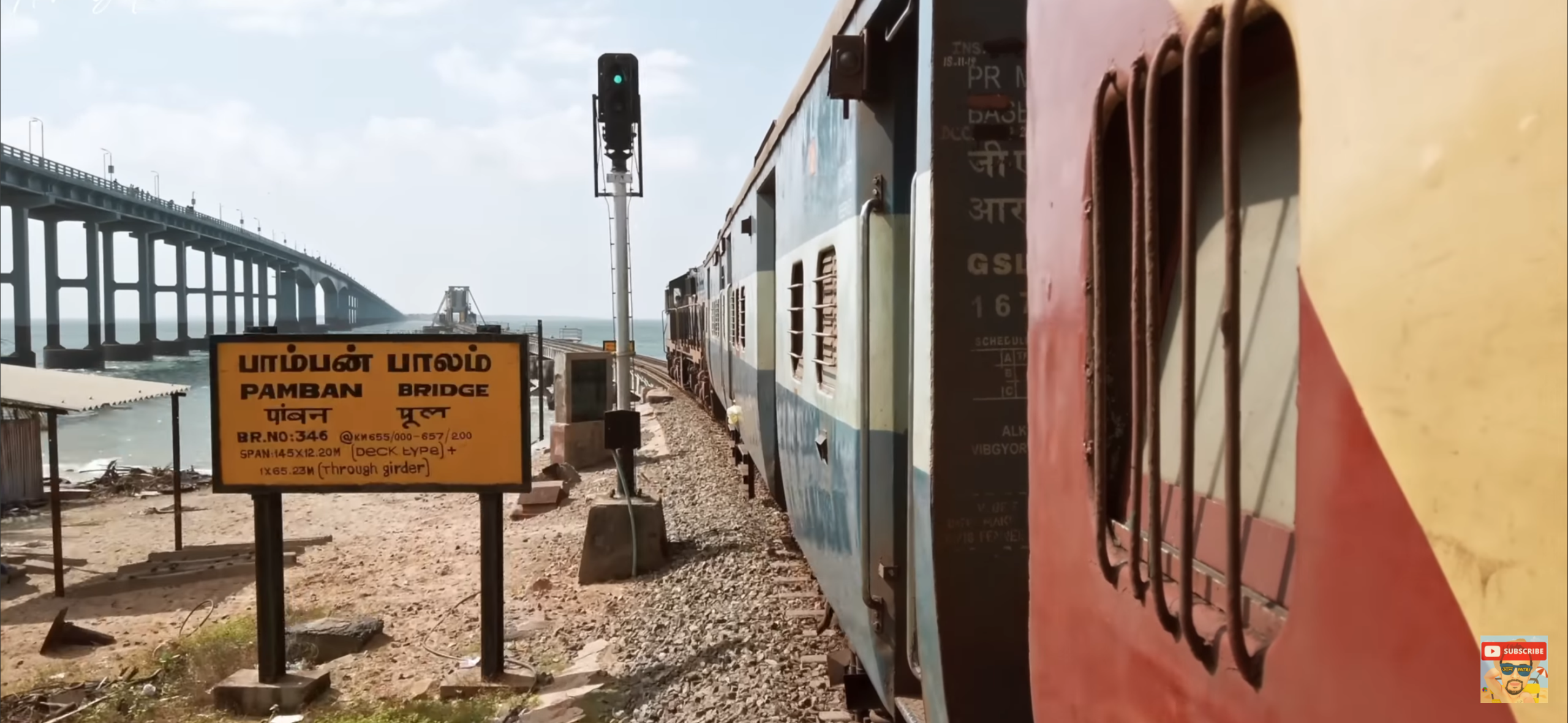
The next morning, as sunrise appeared near Pamban, the journey quietly ended.
But Rameshwaram never feels complete when you leave. It stays behind through roads, rituals, sea wind and silence — a place that continues long after travel ends.