Pushkar Travel Guide Based on My Journey: Sacred Lake, Brahma Temple, Hidden Temples, Local Food and Unique Places Beyond the Usual Route
Pushkar is one of those places where the moment you arrive, the atmosphere immediately feels different.
Before even reaching the famous temples, there is already something in the air — a mix of bells, slow movement, pilgrims, cafés, markets, and that strange calm which only a few places in India still hold naturally.
Known as the city of Lord Brahma and often called the temple town of Rajasthan, Pushkar is also counted among the oldest cities in India. According to mythology, this sacred town was created when a lotus flower slipped from the hand of Lord Brahma, and where it touched the earth, Pushkar Lake was formed.
The name itself comes from two Sanskrit words — Pushpa meaning flower and Kar meaning hand.
This journey through Pushkar became much more than just temple visits. It turned into a mix of mythology, local conversations, spiritual viewpoints, authentic food, hidden temples, and even one unusual saint outside town whose words stayed with me long after leaving.
Pushkar Lake – Where Every First Step in Pushkar Should Begin
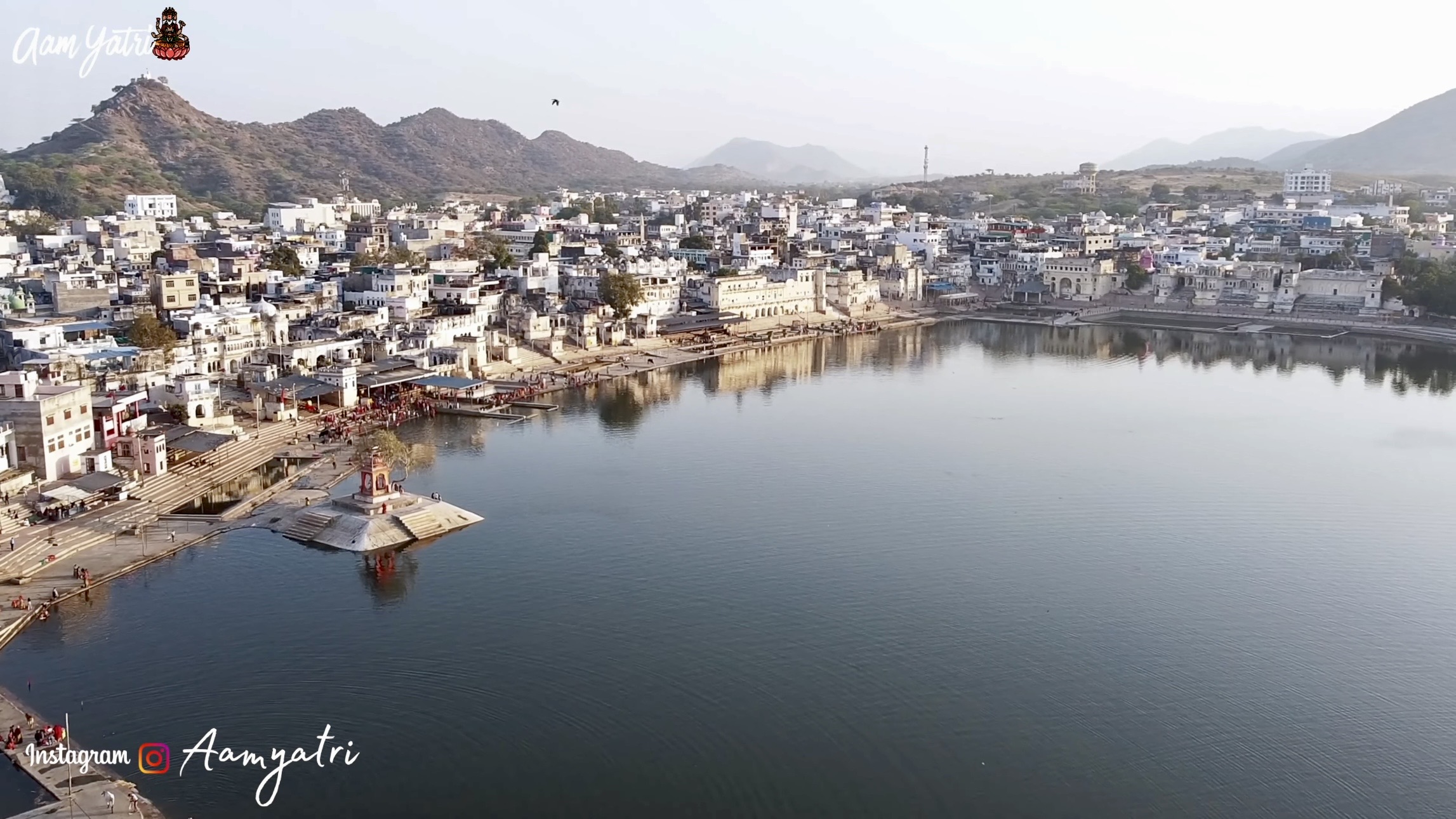
Evening light reflecting across Pushkar Lake at Jaipur Ghat
The first place I reached after entering Pushkar was Pushkar Lake, because in many ways, the entire town begins here.
This lake is not only the spiritual center of Pushkar but also one of the most sacred water bodies in Hindu tradition. Among the five sacred sarovars, Pushkar Lake is considered one of the holiest.
The lake has 52 ghats, and each one carries its own religious importance.
Among all the ghats, Jaipur Ghat stands out as the largest and one of the most visually beautiful parts of the lake, especially during evening light.
As the day moves toward sunset, the atmosphere changes completely. People gather quietly by the steps, priests prepare for evening rituals, and the sound of bells slowly spreads across the lake.
At Brahma Ghat, the evening Brahma Aarti creates one of the most peaceful moments in Pushkar.
It is believed that Lord Rama immersed the ashes of King Dasharatha here. In modern times, ashes of national leaders including Jawaharlal Nehru, Indira Gandhi, Atal Bihari Vajpayee and Mahatma Gandhi were also immersed here.
Even without ritual, simply being present here feels enough.
Walking Through Pushkar Market to Reach Brahma Temple
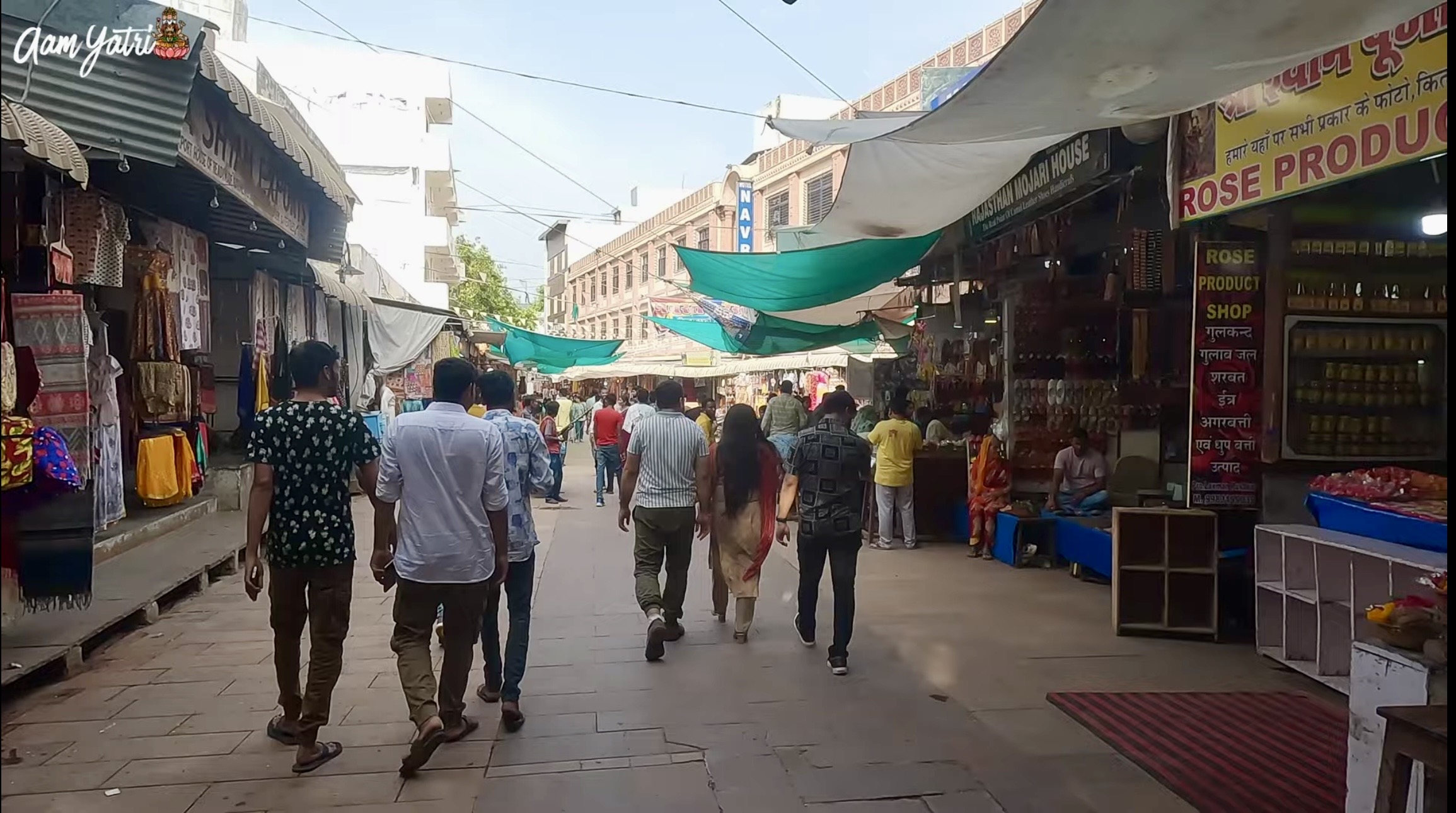
Walking through the vibrant Pushkar market towards Brahma Temple
From the lake, I moved toward Brahma Temple through Pushkar’s main market.
This stretch is one of the most enjoyable parts of Pushkar because it is not just a route — it is an experience in itself.
The market is full of movement: small cafés, street food stalls, silver jewelry, local textiles, incense, traditional clothes and travelers from everywhere.
Everything feels compact, close and alive.
Brahma Temple – The Spiritual Identity of Pushkar
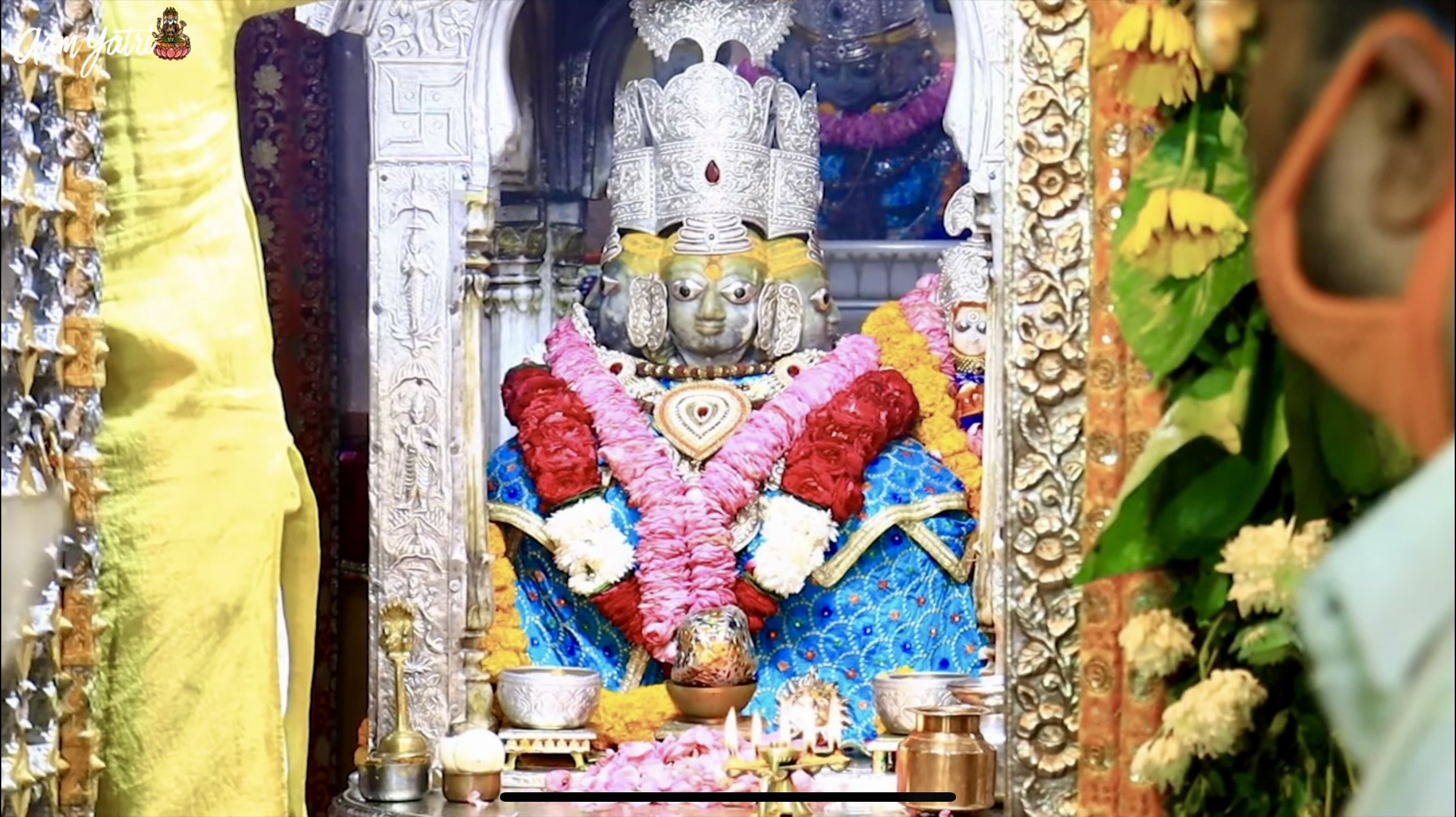
Entrance of the sacred Brahma Temple in Pushkar
The Brahma Temple is what gives Pushkar its strongest spiritual identity and makes this town globally distinct.
Inside the temple is the rare four-faced idol of Lord Brahma along with Goddess Gayatri.
For centuries this remained known as the only major Brahma temple in the world.
Photography is not allowed inside, which helps preserve the atmosphere.
The temple still feels ritualistic, active and deeply alive.
Authentic Dal Baati Churma Right Beside Brahma Temple
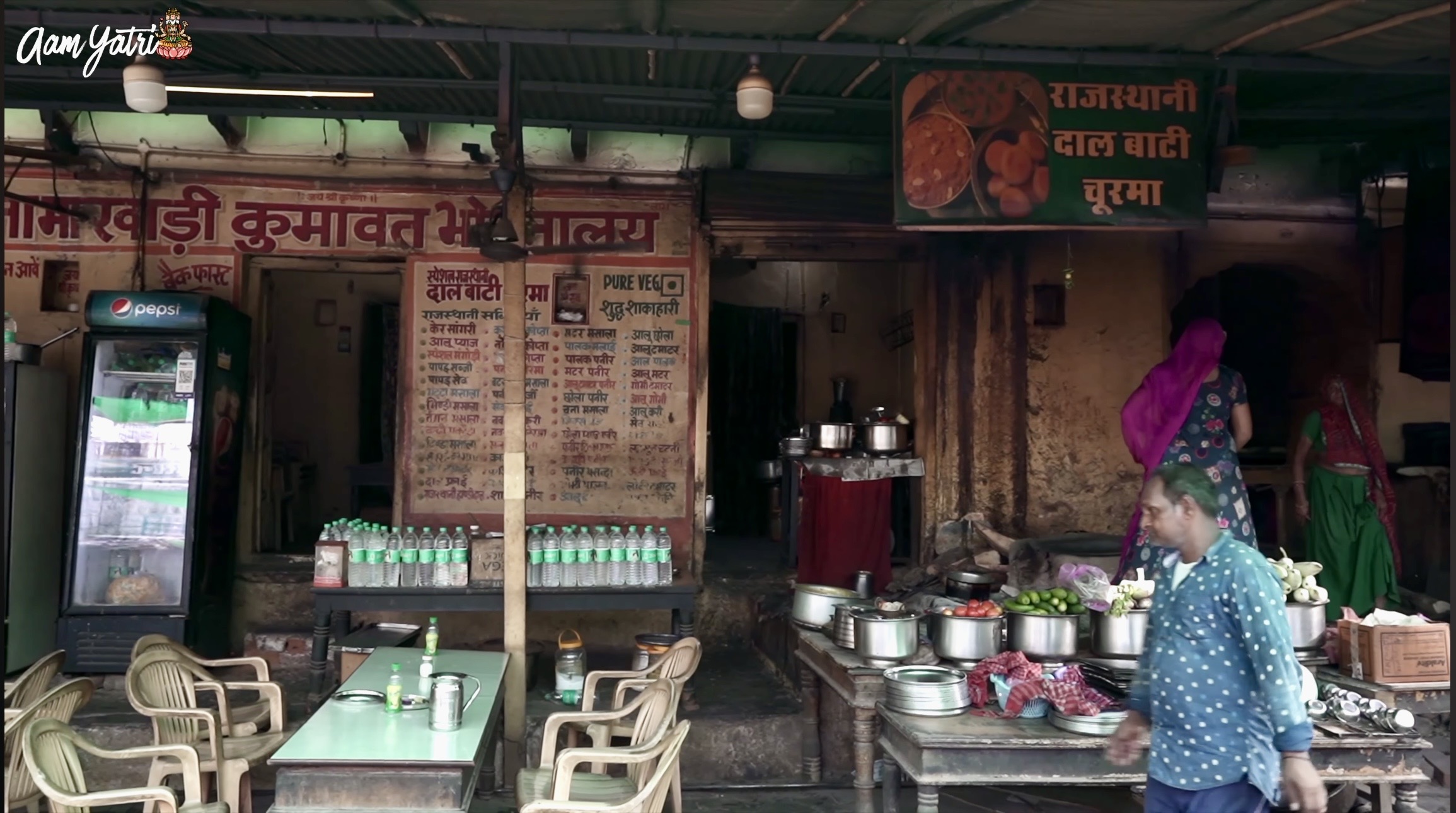
Authentic Dal Baati Churma served fresh near Brahma Temple
Right beside Brahma Temple are small local places serving traditional Rajasthani meals.
The meal included Dal Baati Churma, Gatte ki Sabzi, Rice, Raita, Chutney, Papad, Fresh Roti and Salad.
The rotis were being made fresh in front of me and the flavors felt completely authentic.
The dal had depth, the baati had slow roasted texture, and the churma balanced everything beautifully.
This was easily one of the best food experiences in Pushkar.
Savitri Mata Temple – Ropeway, Height and the Best View of Pushkar
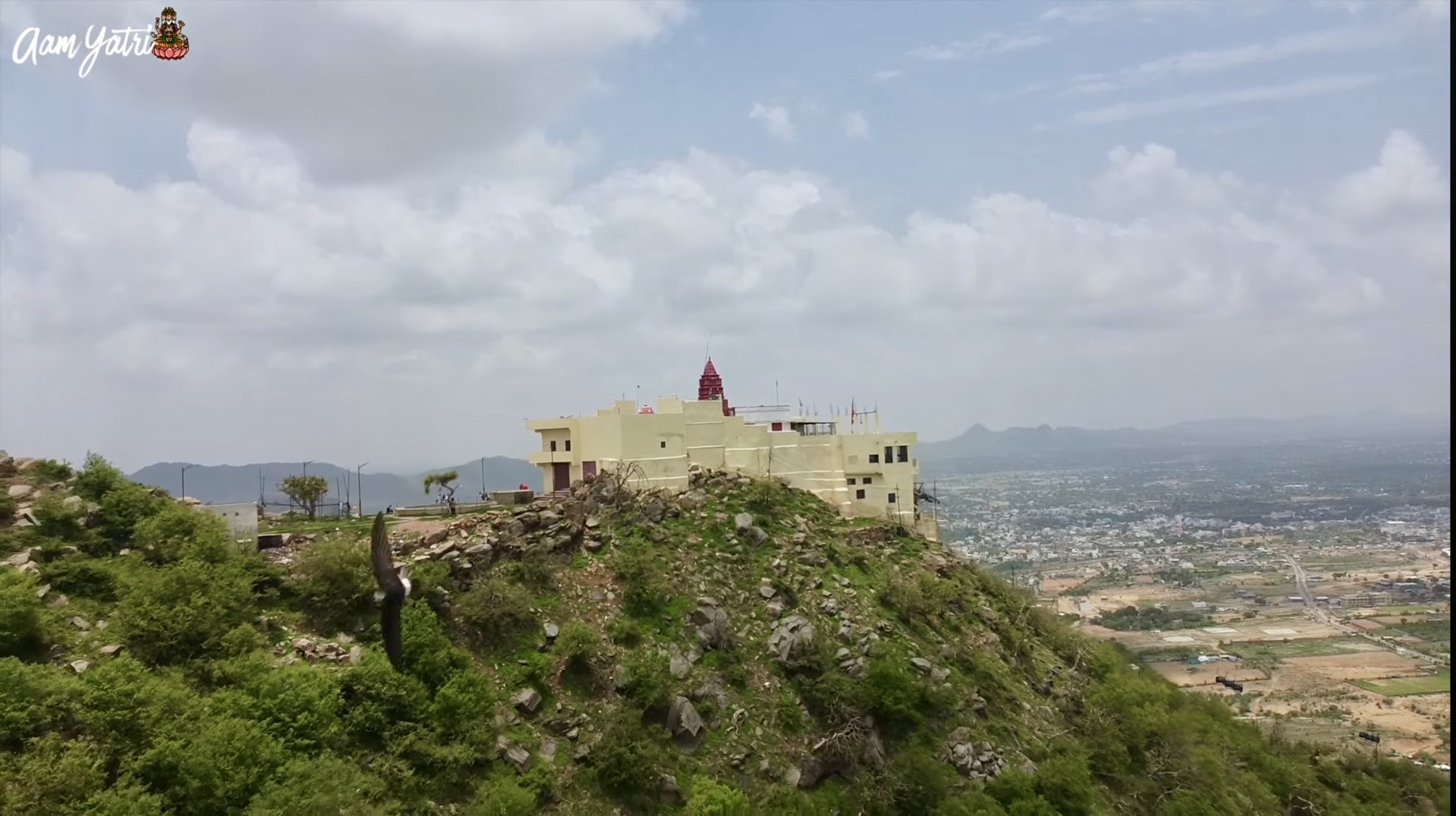
View from Savitri Mata Temple overlooking Pushkar town
After Brahma Temple, the next place I went to was Savitri Mata Temple.
There are around 930 steps if you choose to walk, though I took the ropeway.
The ropeway remains open from all sides, so while moving upward, natural air keeps flowing and the full Pushkar landscape slowly opens below.
The temple stands around 750 feet above Pushkar on Ratnagiri Hill.
From the top, Pushkar looks extraordinary.
Gayatri Mata Temple – Peace Away From the Main Crowd
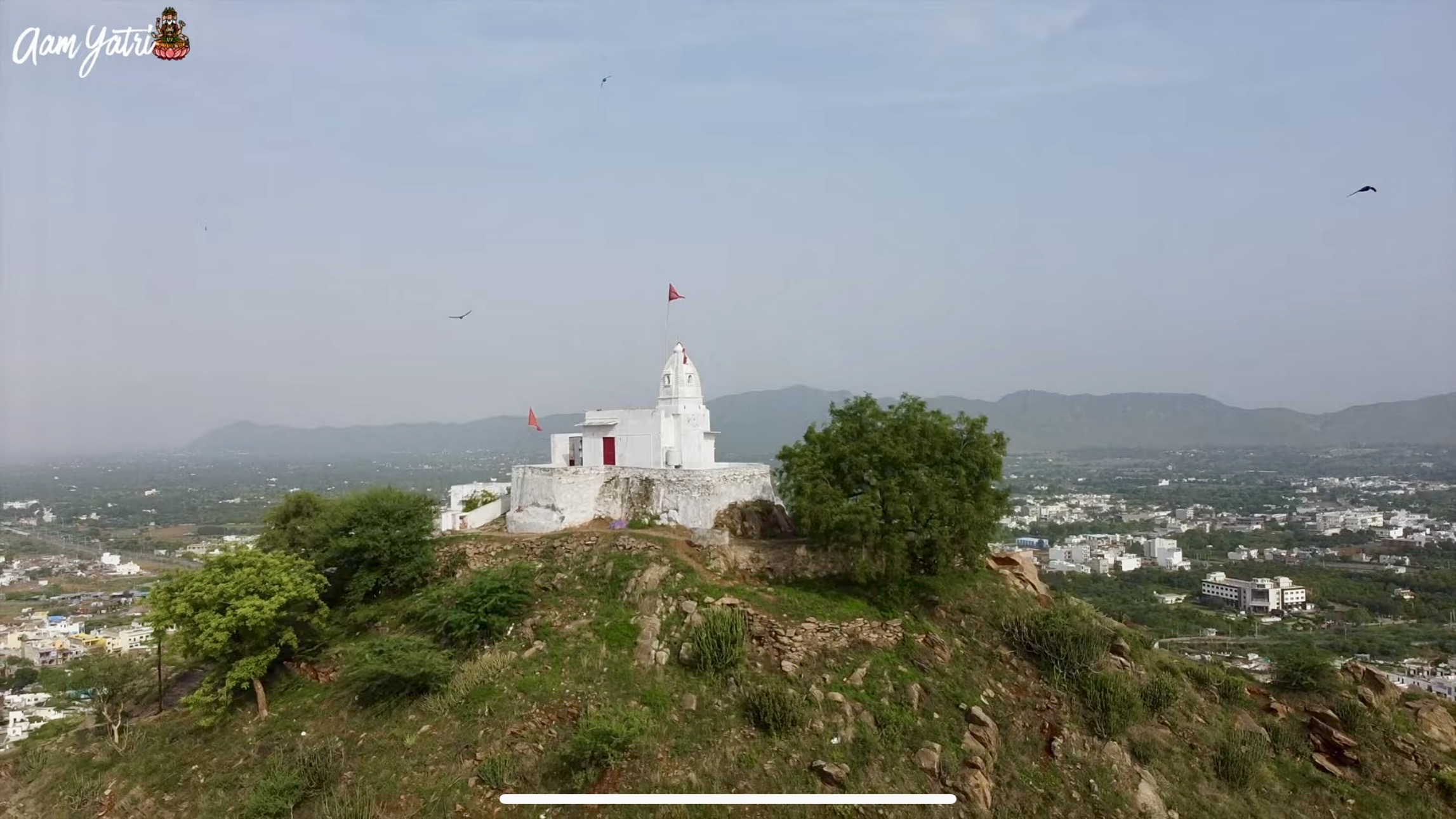
Quiet surroundings of Gayatri Mata Temple away from crowds
Unlike Savitri Temple, there are no large crowds, no ropeway activity and very little noise.
This temple feels deeply quiet and untouched by movement.
From here too, Pushkar opens beautifully below.
Rangji Temple – South Indian Architecture in the Middle of Pushkar
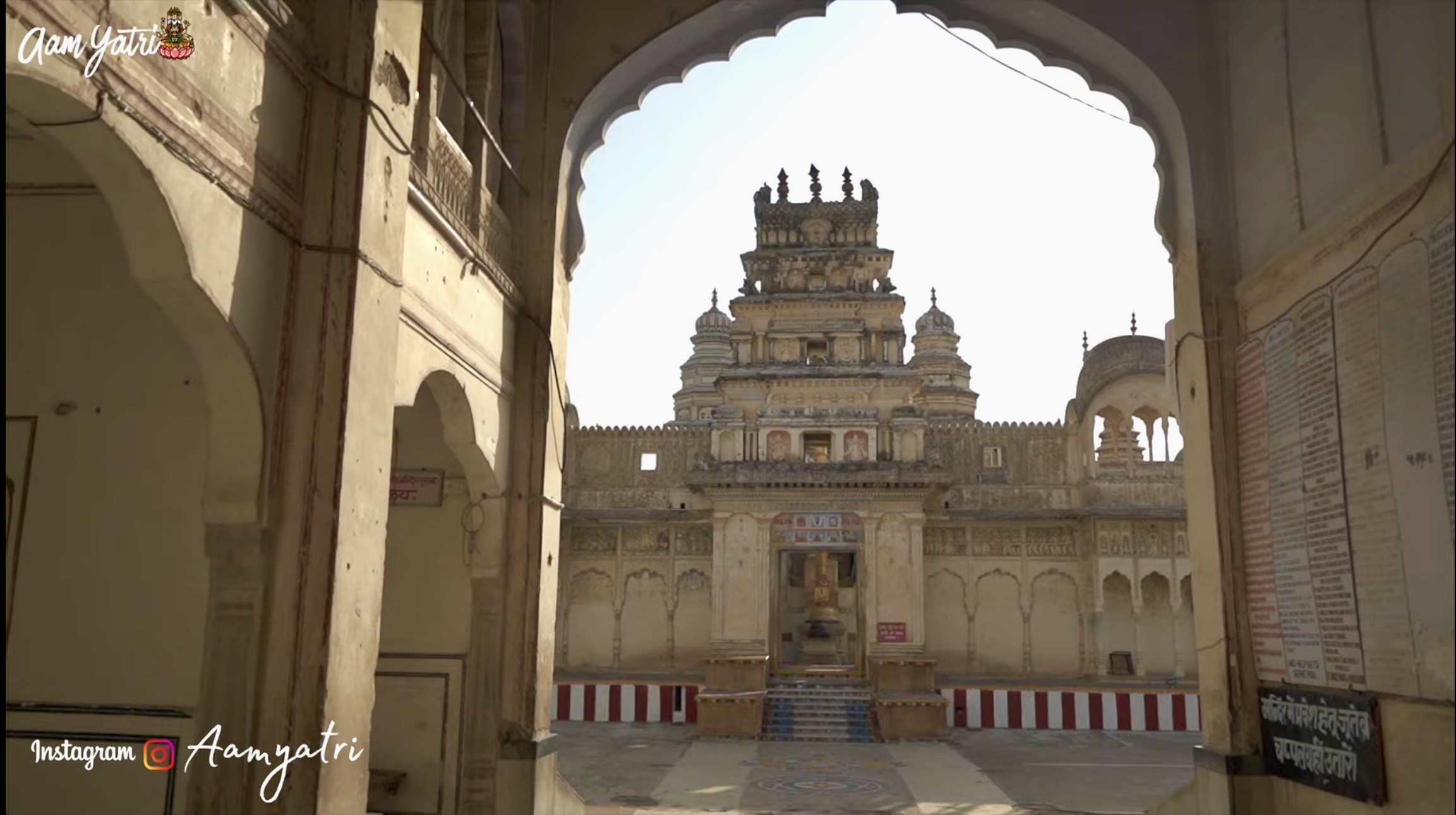
Unique South Indian style architecture of Rangji Temple
Rangji Temple immediately feels visually different from other temples in Pushkar.
It combines South Indian style with Rajasthani temple aesthetics, making it one of the most beautiful temple structures in town.
Pushkar’s Famous Kachori and Local Street Food
Famous moong dal kachori served with sweet chutney
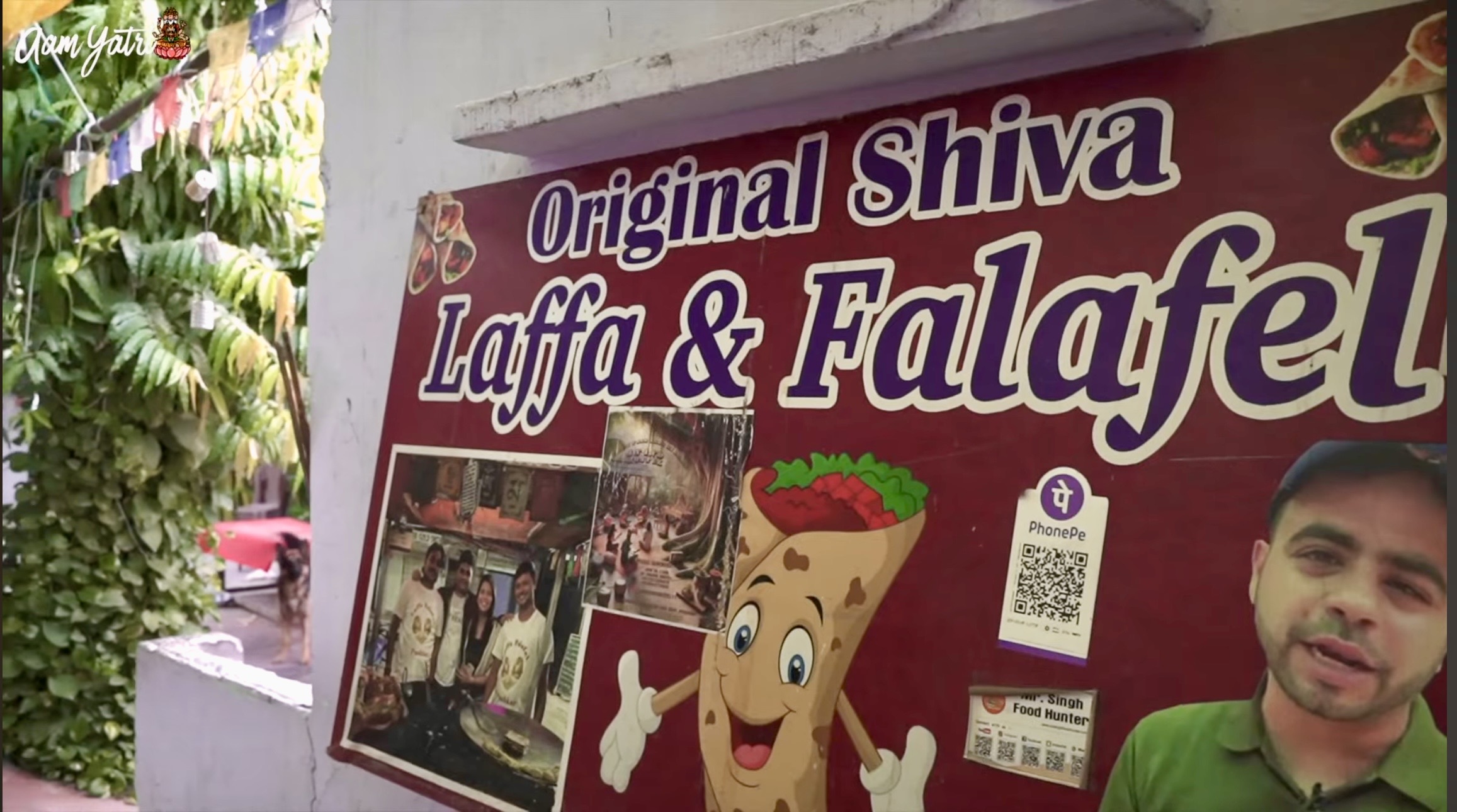
Thick mango lassi — one of the best in Pushkar
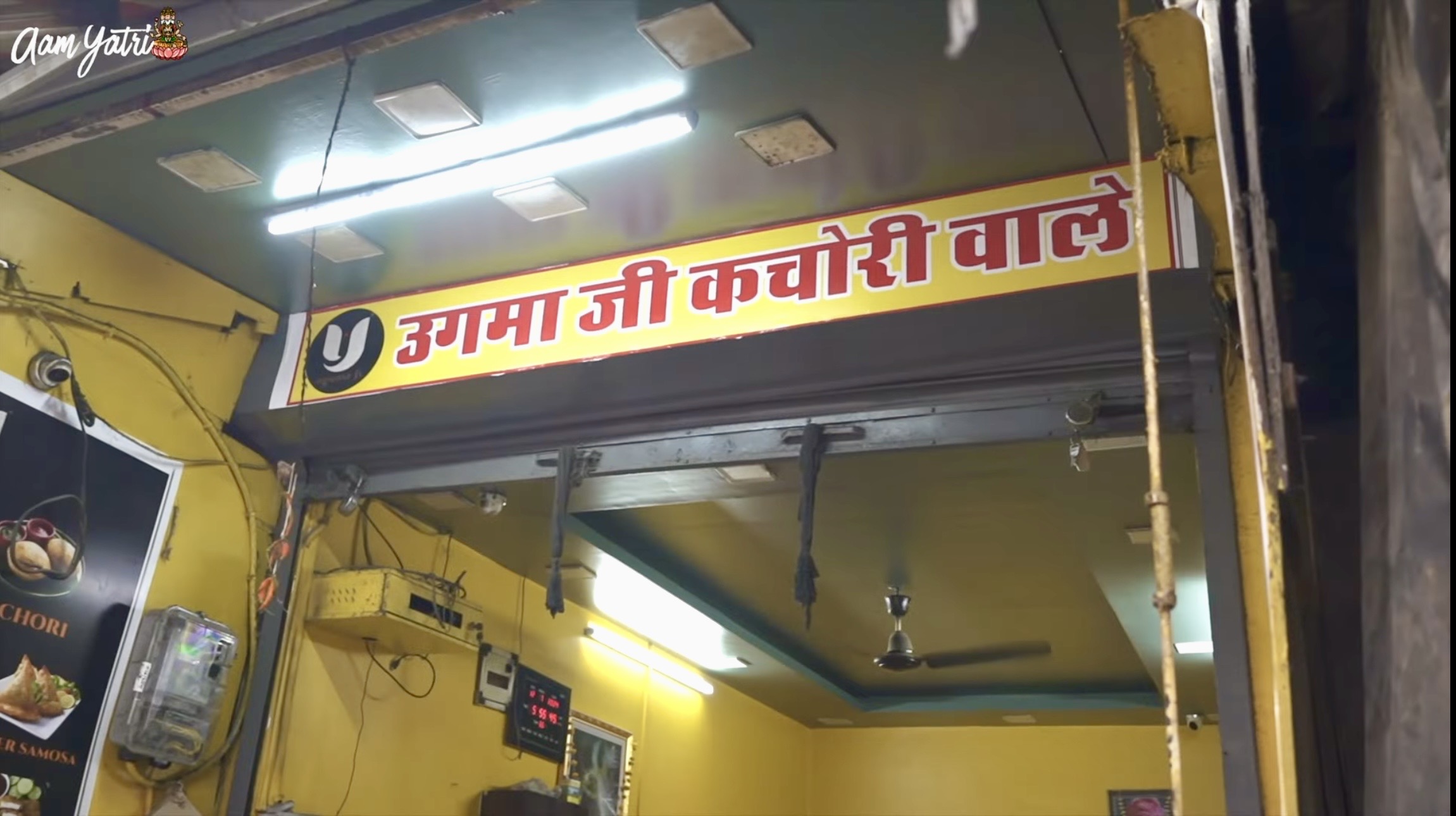
Near Rangji Temple, I tried Pushkar’s famous moong dal kachori served with sweet chutney.
After that, I also tried laffa and falafel, reflecting Pushkar’s backpacker culture.
What truly stood out afterward was mango lassi — thick, cold and exceptional.
Staying in Pushkar – A Comfortable Budget Experience
Pushkar has every kind of stay option, from budget to luxury.
Even budget stays often carry peaceful courtyard architecture and rooftop calm that match Pushkar beautifully.
A central stay helps because most important places remain walkable.
Alu Baba Ashram – A Different Conversation Outside Pushkar
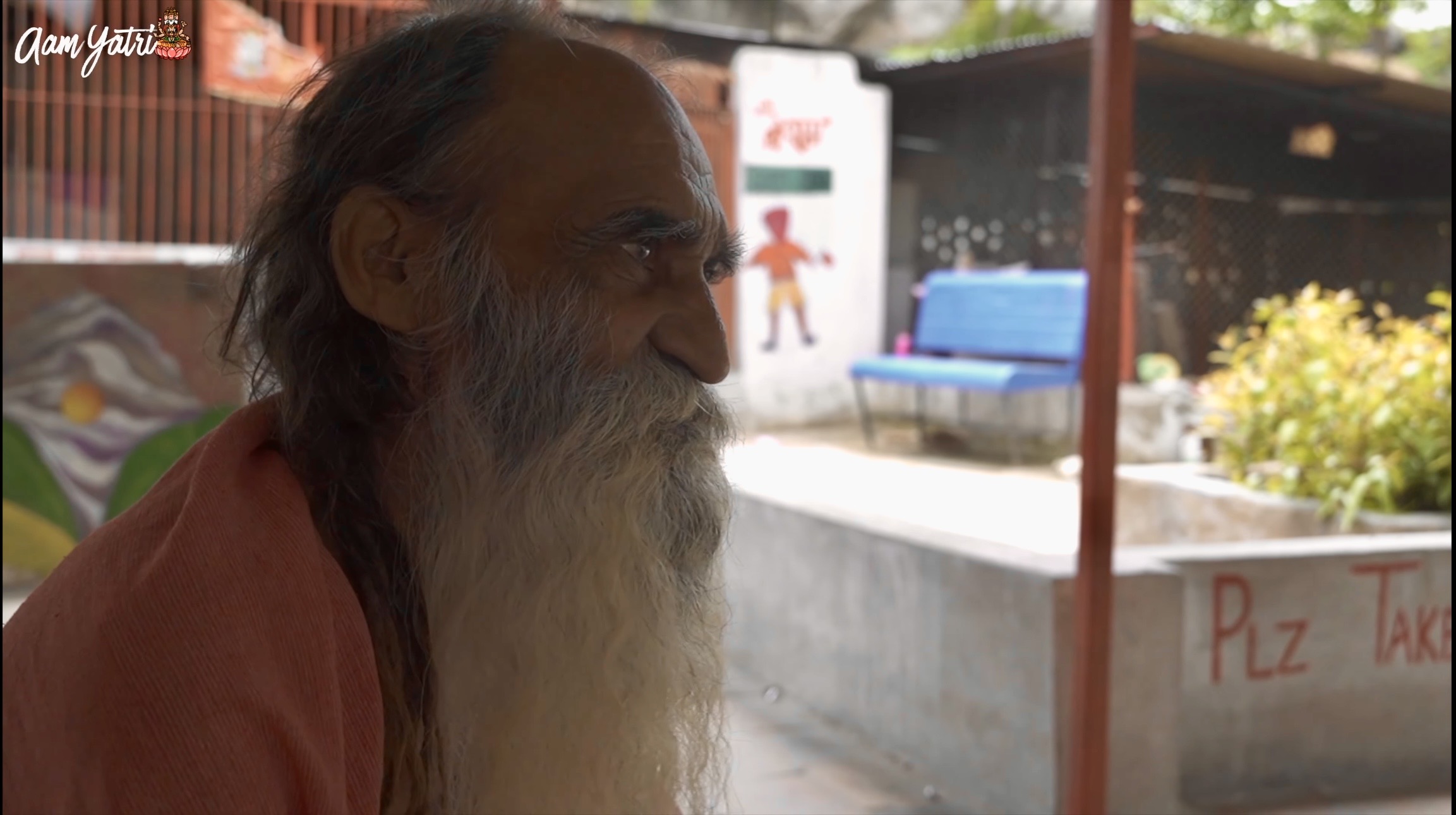
Meeting Alu Baba outside Pushkar — a story beyond travel
After covering the temples, I went outside Pushkar toward Alu Baba Ashram.
Known locally for eating only potatoes for decades, his actual name is Chandan Giri.
What stayed with me most was his explanation about controlling desires to control the mind.
That simplicity carried unusual weight.
Kishangarh Marble Dump Yard – A Surprising Landscape Near Pushkar

Kishangarh Marble Dump Yard — surreal landscape near Pushkar
The last place I visited was around forty kilometers away — Kishangarh Marble Dump Yard.
White marble waste creates a snow-like effect while blue water pools create dramatic contrast.
The visuals here feel almost unreal in Rajasthan.
Watch Full Journey
Final Travel Thought on Pushkar
Pushkar does not need too much explanation once you experience it.
A sacred lake, rare temples, authentic food, peaceful viewpoints and unusual nearby places all come together naturally.
Aamyatri Rating: 10/10