Hanoi, Vietnam: A City That Moves Fast, Lives Slow
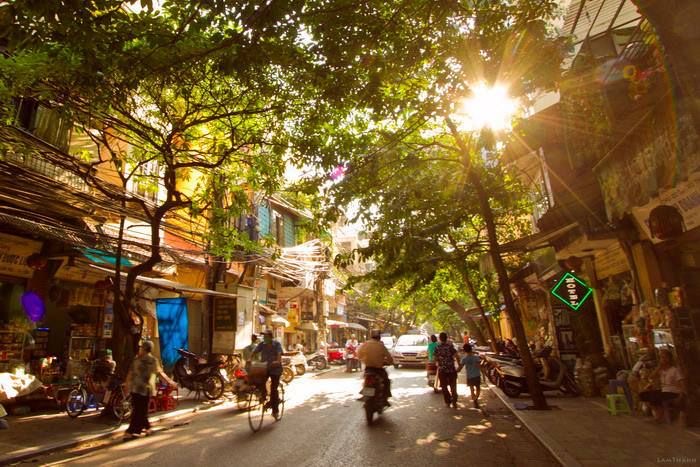
A city that pulls you in before you even realise it.
Arriving with Questions
Vietnam is not a country most Indian travellers instinctively consider when planning their first international trip. It does not carry the immediate familiarity of Thailand or Bali, nor the aspirational pull of Europe. And yet, over the past few years, it has quietly become one of those places people keep talking about — not loudly, but consistently, almost as if it is meant to be discovered rather than chosen.
Before arriving, the questions were practical. Whether the visa process would be smooth, whether it would be affordable, whether it would feel comfortable as an Indian traveller. But the moment you step into Hanoi, those questions begin to lose relevance. The city does not wait for you to settle in or adjust. It begins immediately, pulling you into its rhythm before you even realise it.
The Old Quarter and Its Rhythm
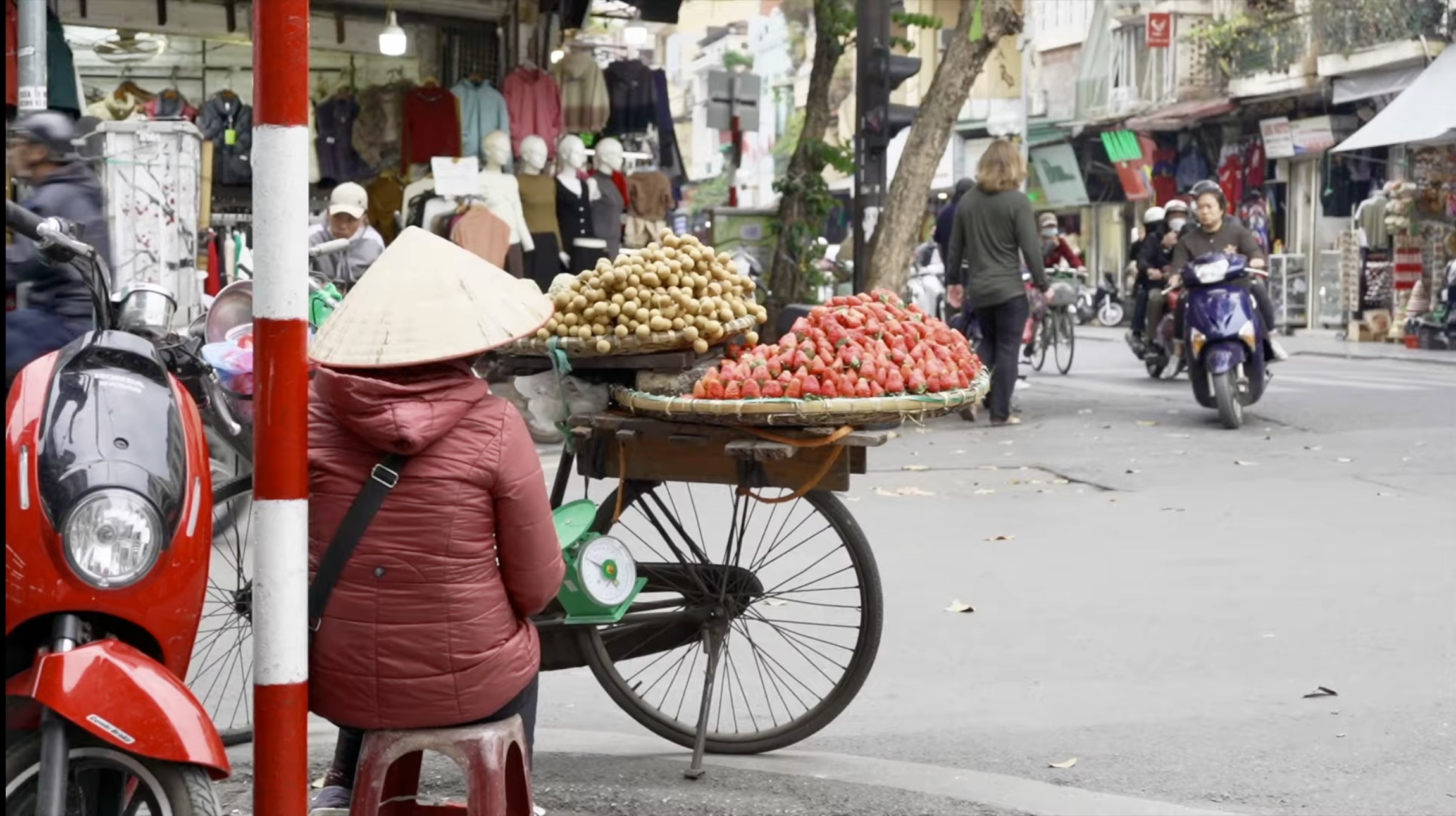
Movement, density, and a rhythm that slowly starts making sense.
Hanoi’s Old Quarter feels less like a place and more like a system already in motion. The streets are narrow, yet constantly filled with movement. Scooters pass from every direction, weaving through spaces that seem too small to exist, while shops extend onto the road as if there were no clear boundary between indoors and outdoors. Food is prepared openly, conversations spill into the street, and life unfolds without separation.
At first, it feels chaotic. But as you spend time here, that chaos begins to feel structured in its own way. Crossing the road becomes an experience in itself. You don’t wait for traffic to stop — you step forward, slowly, and the movement adjusts around you. There is an unspoken understanding in the way people navigate the space, a rhythm that does not rely on rules, yet rarely breaks.
Every street carries its own identity. Some are lined with small workshops, others with fabric stores, and many with food stalls that seem to operate continuously. And within this density, there is a strange sense of order. Nothing is isolated, yet everything functions.
Train Street
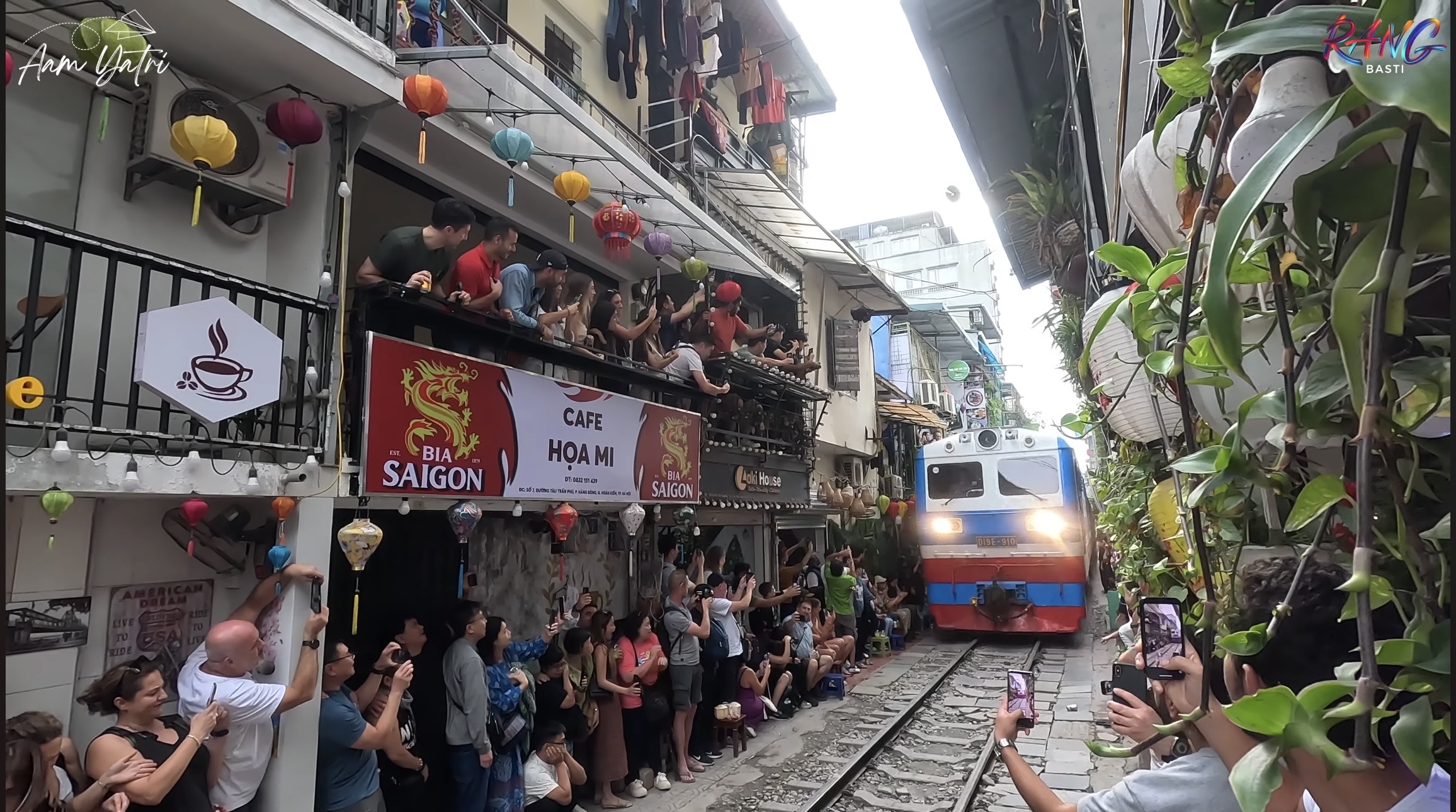
A train passing inches away — intense, surreal, and completely normal.
Hidden within this dense network is one of Hanoi’s most unusual experiences — Train Street. A narrow lane lined with homes and cafés, with a railway track running directly through it, leaving barely enough space for anything else.
Sitting here feels almost unreal. Small stools are placed right next to the tracks, and people wait with coffee in hand, not just for the drink, but for the moment. There is a quiet anticipation that builds without announcement.
When the train arrives, it does so with an intensity that feels disproportionate to the space it occupies. It passes extremely close, close enough for you to feel the rush of air and hear every detail of its movement. For a few seconds, everything stops — conversations pause, bodies lean back, and the entire street becomes focused on this single event.
And then, just as quickly, it is over.
The train disappears, and the street returns to normal as if nothing unusual has happened. Chairs are placed back, coffee is served again, and life continues without interruption. What makes Train Street remarkable is not just the train itself, but how naturally it exists within everyday life.
Street Food Culture
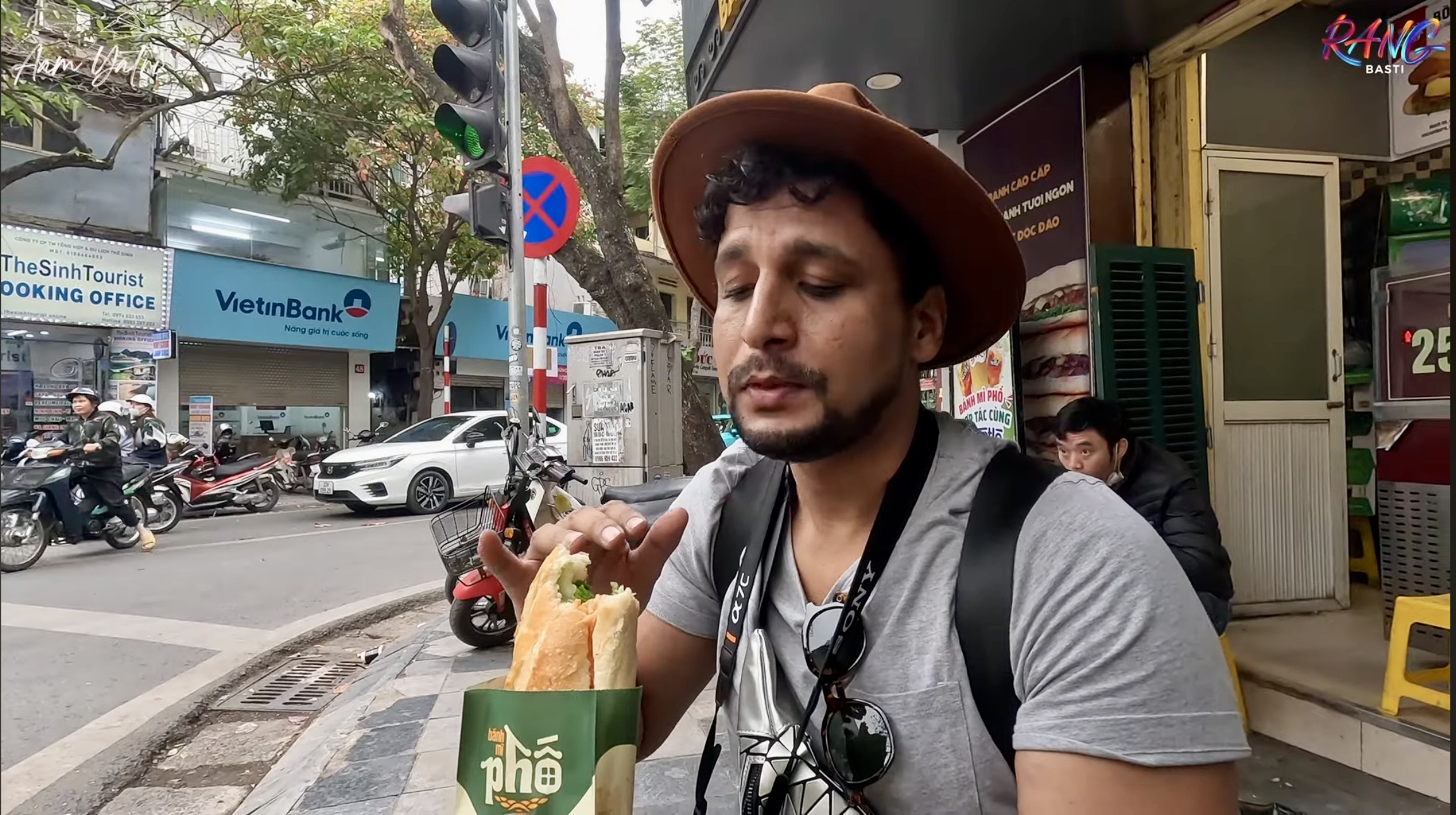
Small stools, fresh food, and the city flowing around you.
If there is one place where Hanoi feels most authentic, it is at street level, sitting on a small plastic stool with food that has been prepared just a few feet away. Street food here is not designed as an experience. It is simply how the city eats.
A bánh mì, for example, is more than just a sandwich. The bread is crisp, filled with layers of vegetables, herbs, meats, and sauces, but what makes it memorable is not just the taste. It is the setting — sitting by the roadside, with scooters passing inches away and the constant hum of the city surrounding you.
Food is everywhere. Small stalls, temporary setups, people cooking and serving in the same space. It feels informal, almost improvised, yet everything works with complete efficiency. There is no performance here, no attempt to create something for visitors.
It is real, and that is what makes it stand out.
St. Joseph’s Cathedral
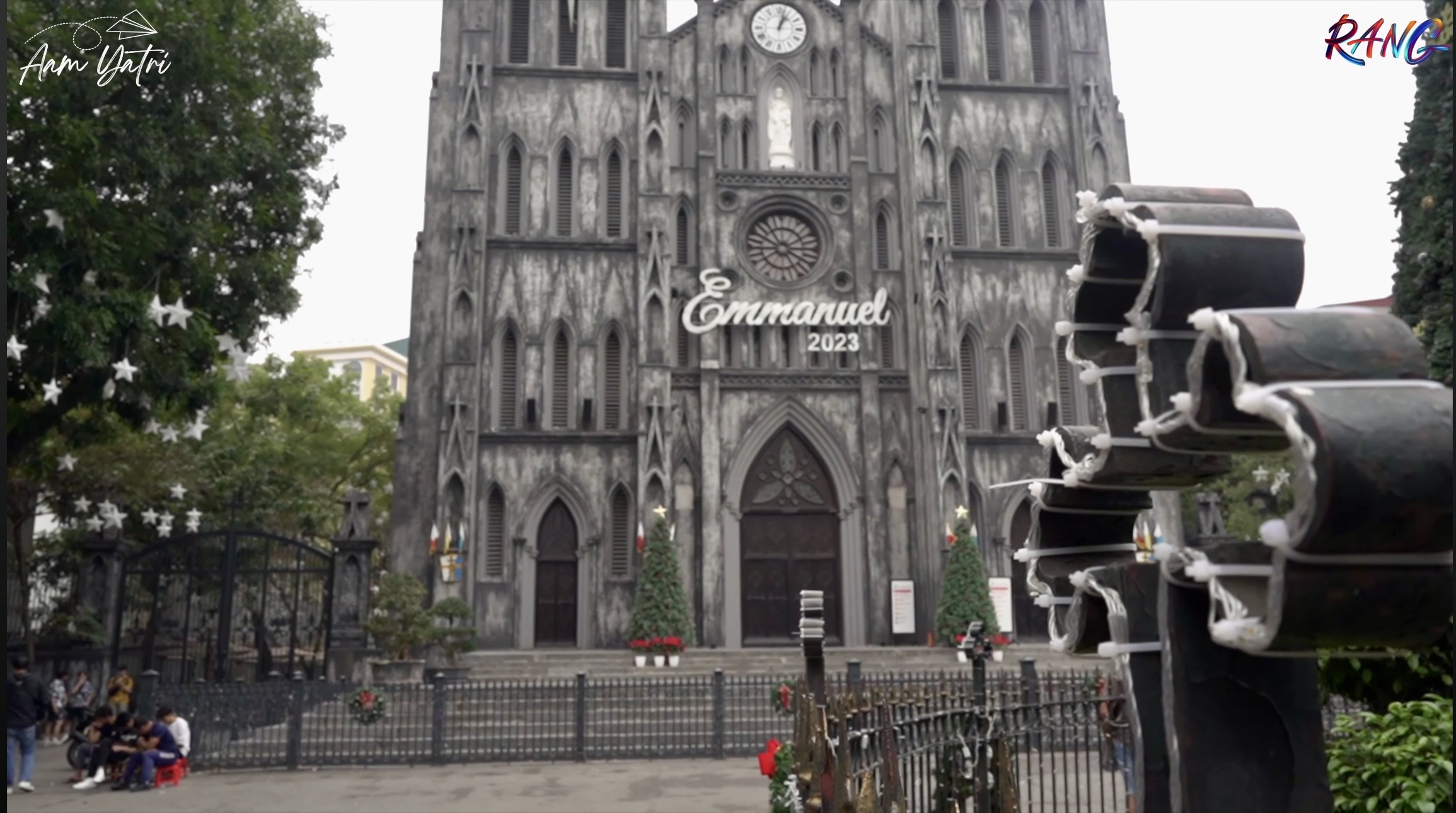
A pause in the middle of movement.
A short walk through the Old Quarter leads to a space that feels noticeably different. St. Joseph’s Cathedral rises unexpectedly, its Gothic structure standing in contrast to the density around it. Built during the French colonial period, it carries a presence that feels both familiar and distant.
The area around the cathedral slows down without becoming still. Cafés open into the square, people sit facing outward, and the energy shifts from movement to pause. It is not silent, but it is calmer, as if the city has taken a step back.
What makes it interesting is how easily this transition happens. Within minutes, you move from the intensity of the Old Quarter into a space that feels open and reflective, and then back again.
Coffee, Reimagined
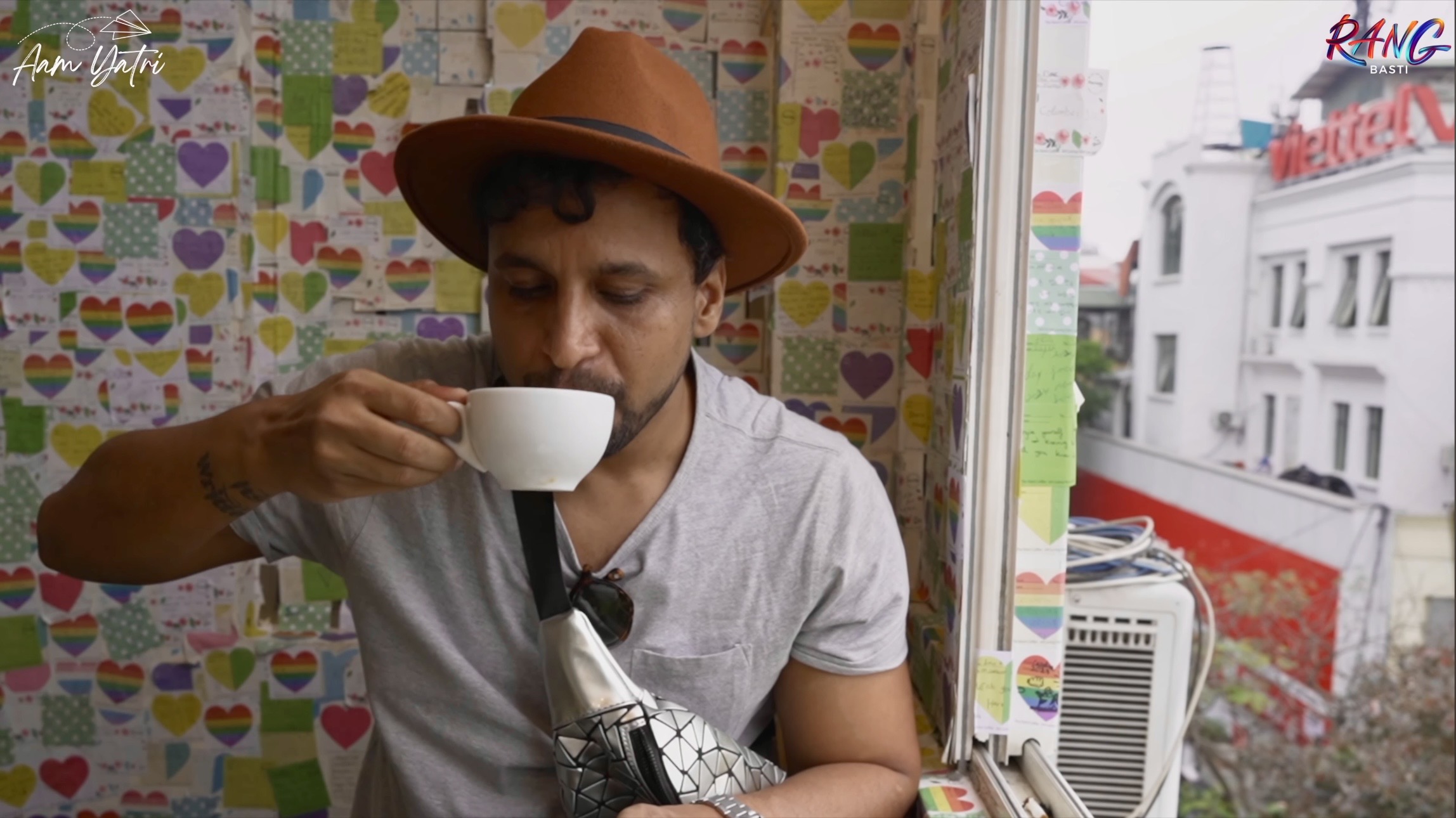
Coffee here is not rushed — it is experienced.
Coffee in Hanoi is not something you rush through; it is something you sit with. At places like The Note Coffee, this becomes clear the moment you walk in. Every surface is covered in handwritten notes — messages layered over time, left behind by travellers from across the world. Walls, tables, railings, even the smallest corners are filled, creating a space that feels chaotic at first but gradually reveals a sense of intention.
Sitting near the window overlooking Hoan Kiem Lake adds another layer to the experience. Outside, the city continues at its usual pace — scooters moving endlessly, people crossing without hesitation, life unfolding constantly. Inside, time slows just enough to notice the details.
The coffee itself reflects this difference. Egg coffee arrives thick and rich, almost like a dessert, with a smooth texture that feels far removed from a typical cup of coffee. There is no sharp egg flavour, no heaviness — just a balanced, layered taste. Coconut coffee offers something lighter, served cold, with a subtle flavour that complements rather than overpowers the coffee.
What becomes clear is that coffee here is not standardised.
It is interpreted.
A Glimpse into Tradition: Water Puppets
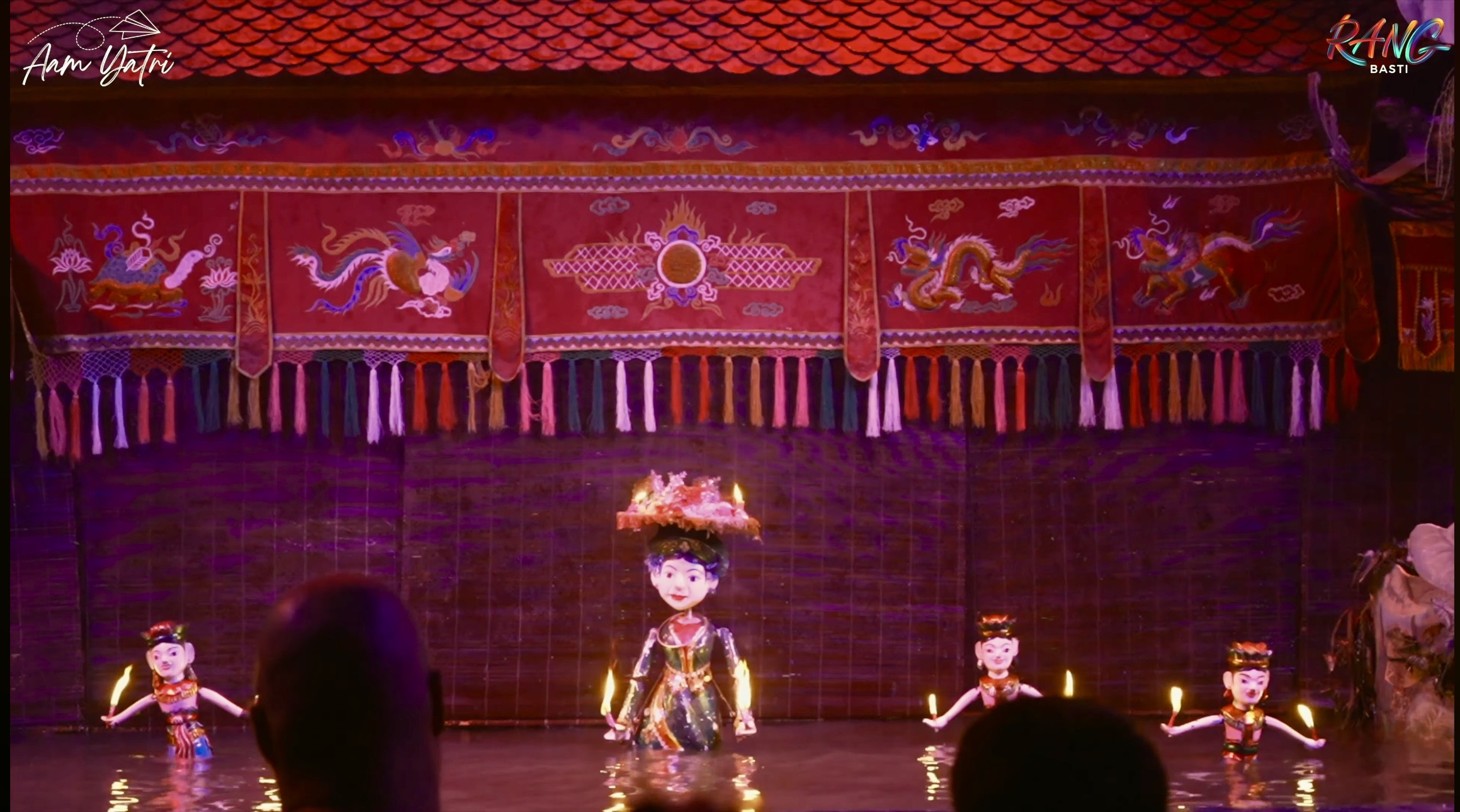
Stories told through water, rhythm, and movement.
The Water Puppet Theatre introduces a completely different dimension of Vietnam. The stage is a pool of water, and behind it, hidden from view, performers control wooden puppets using long rods beneath the surface.
The illusion is seamless. Puppets move, glide, and interact in ways that feel almost independent, telling stories of rural life, folklore, and everyday moments. Scenes of farming, fishing, and village activities unfold one after another, accompanied by live traditional Vietnamese music.
Understanding every detail is not necessary. The language may not be familiar, but the experience remains engaging. The unpredictability of the puppets’ movement, the way they appear and disappear, and the role of water in shaping the performance create something that feels immersive without needing explanation.
It is not something you analyse.
It is something you observe and slowly absorb.
When the City Lights Up: Beer Street
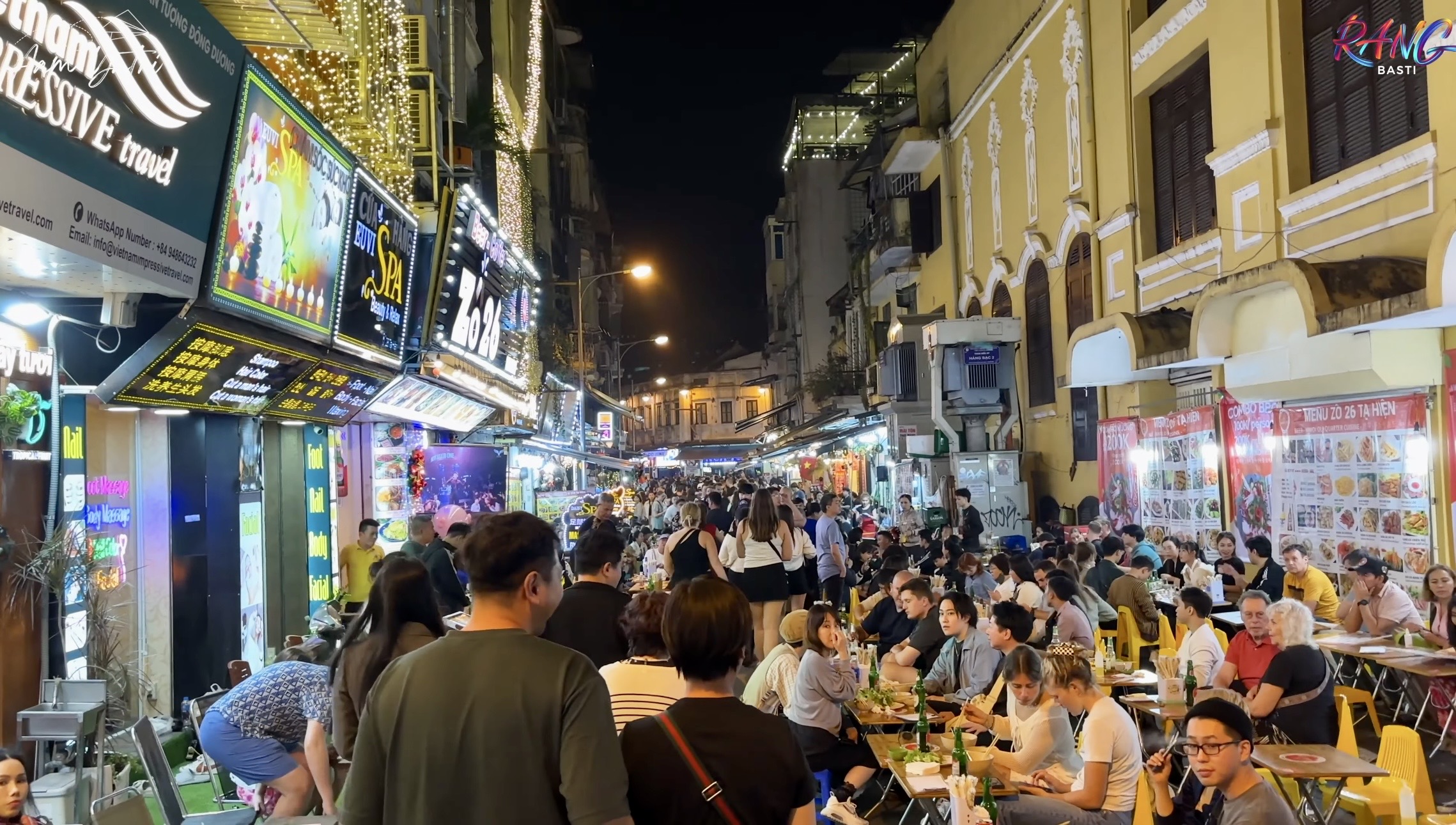
Where the entire street becomes one shared experience.
As evening arrives, Hanoi transforms without losing its identity. Beer Street becomes one of the most visible expressions of this shift, but what stands out is not just the scale — it is the way everything blends together into one continuous experience. Streets that felt structured during the day open up into spaces where tables and stools extend freely onto the road, often placed so close to each other that personal space becomes almost irrelevant.
Sitting here does not feel like choosing a restaurant. It feels like stepping into a shared environment where everyone is part of the same moment. You may arrive at one spot, but within minutes, it feels like the entire street is connected. Conversations overlap, strangers sit side by side, and the boundaries between groups slowly disappear.
The energy builds gradually. At one end, a live band might be playing familiar songs, drawing a crowd that sings along without hesitation. A few steps away, another place might have a DJ, louder, more upbeat, pulling people into a different rhythm. Somewhere else, it is quieter — just conversations, clinking glasses, and the steady movement of people passing through. None of these spaces feel separate; they merge into one layered atmosphere.
Food and drinks remain simple, almost secondary to the experience itself. Beer is served quickly and in large numbers, often local brands that are light and easy to drink. Plates of food arrive without delay — grilled items, quick bites, dishes meant to be shared rather than individually plated. Nothing feels overly curated, yet everything works.
What becomes noticeable after a while is how easy it is to lose track of time here. People sit longer than they intend to, not because there is something specific keeping them, but because the environment makes it difficult to leave. The constant movement, the lights, the sound, and the shared energy create a space that feels alive without being overwhelming.
It does not feel like a place created for visitors.
It feels like a part of the city that simply opens up at night.
The Weekend Market
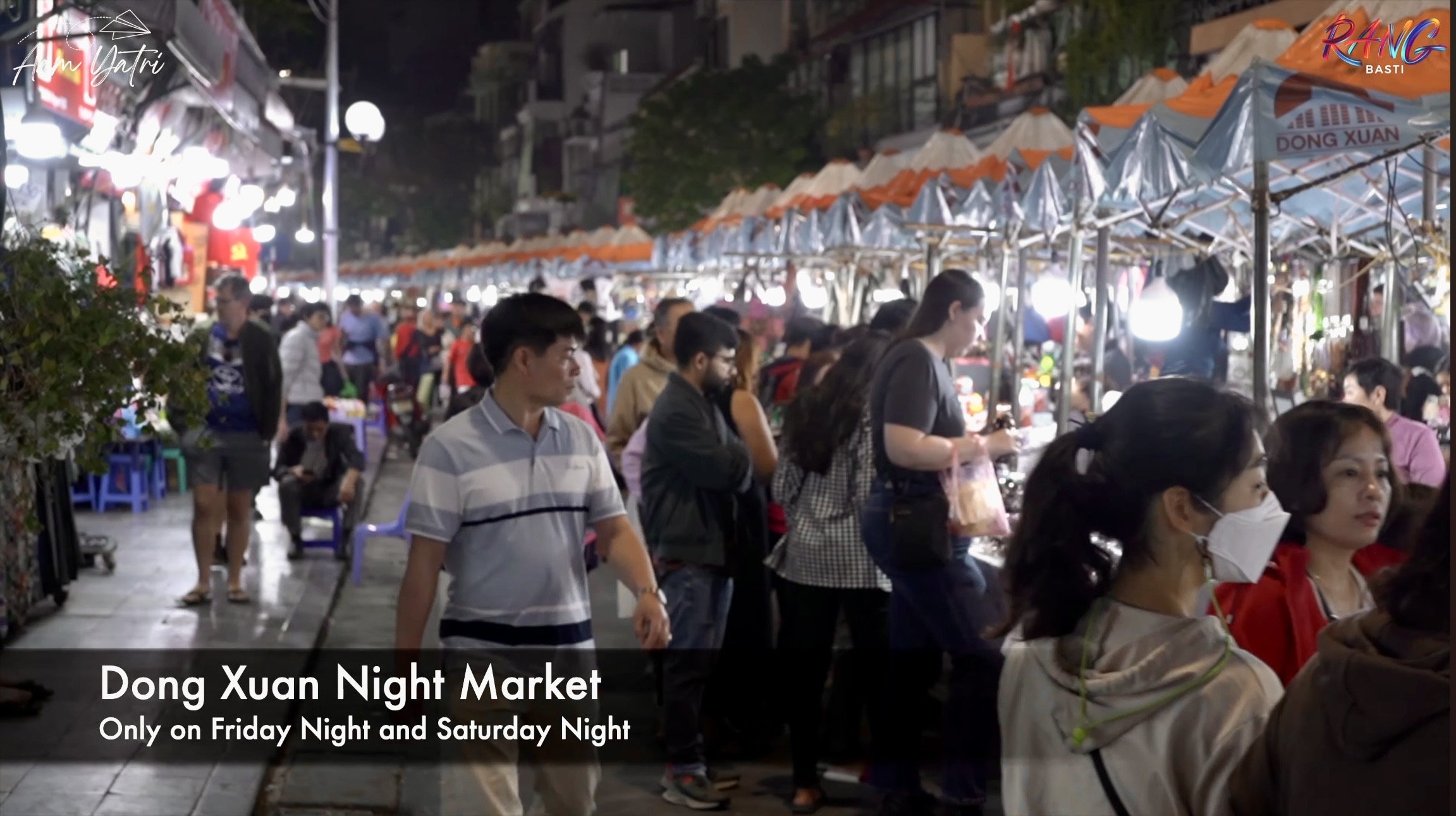
A stretch of lights, movement, and shared space.
On Friday and Saturday nights, the Old Quarter transforms again as the Night Market takes over its streets. What was once a space for traffic becomes a long stretch of stalls, lights, and people moving at a slower pace.
The market extends further than expected, creating an experience that feels immersive rather than temporary. Clothes, accessories, souvenirs — everything is available, but what stands out is the pricing. Compared to other parts of Hanoi, the difference is noticeable, often significantly more affordable.
Street food becomes part of the experience as well. Small stalls serve quick bites — grilled skewers, local snacks, simple dishes that can be eaten while walking. There is no need to plan a meal. You simply stop, try something, and continue.
The crowd is a mix of locals and travellers, but it does not feel divided. Everyone moves together, browses together, eats together.
It feels shared.
Beyond the City: The Villages
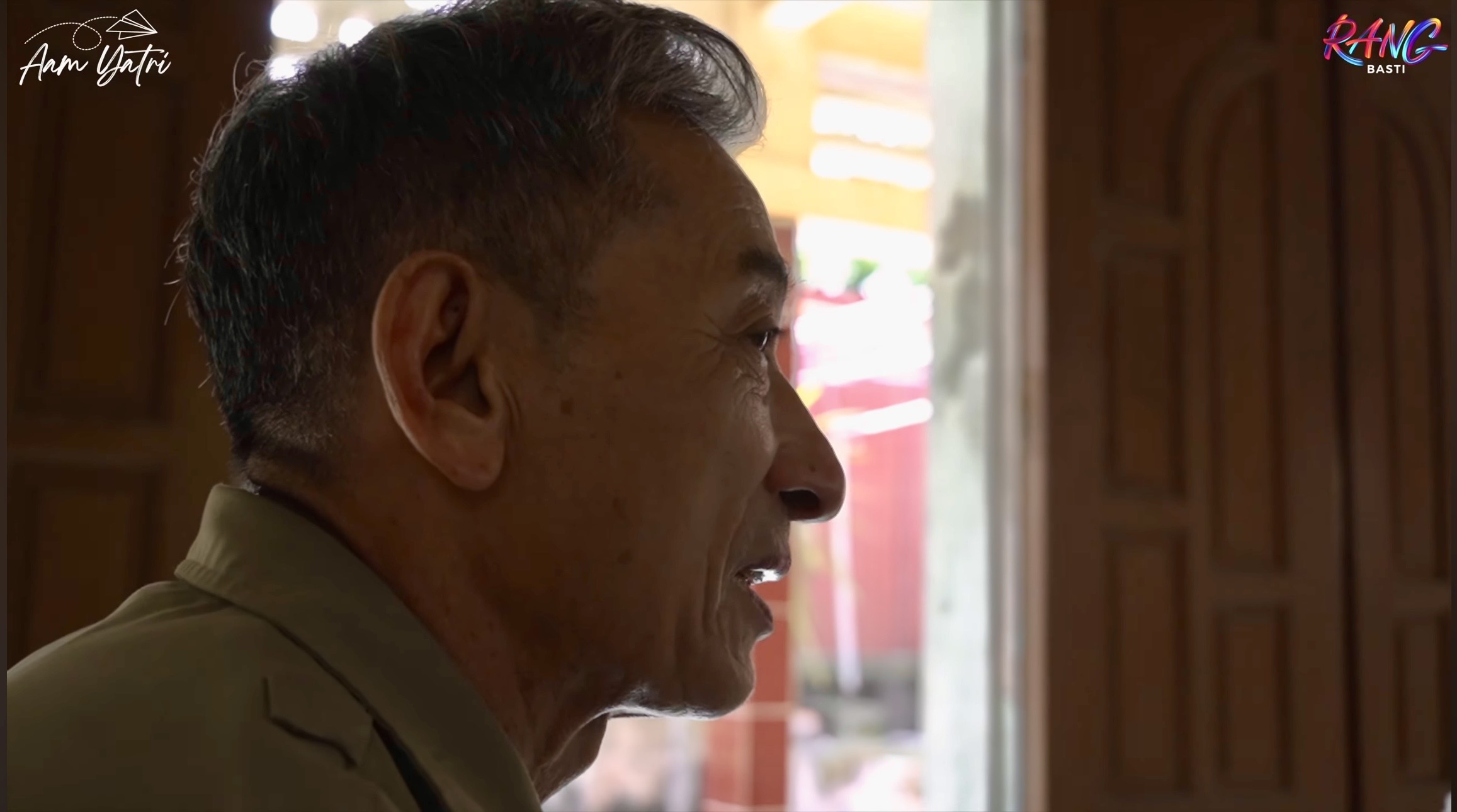
Life slows down, but becomes more detailed.
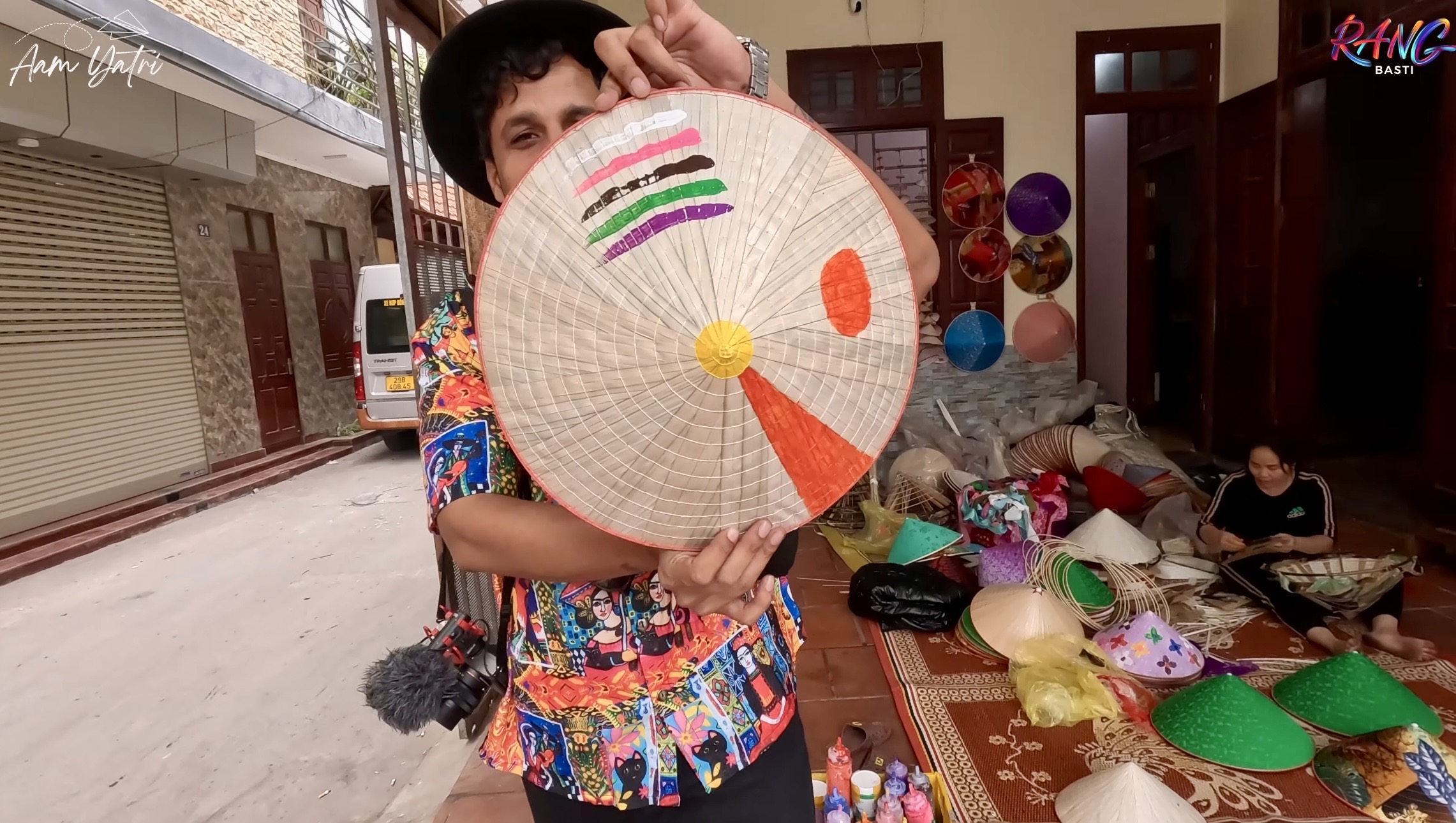
Craft shaped by patience and repetition.
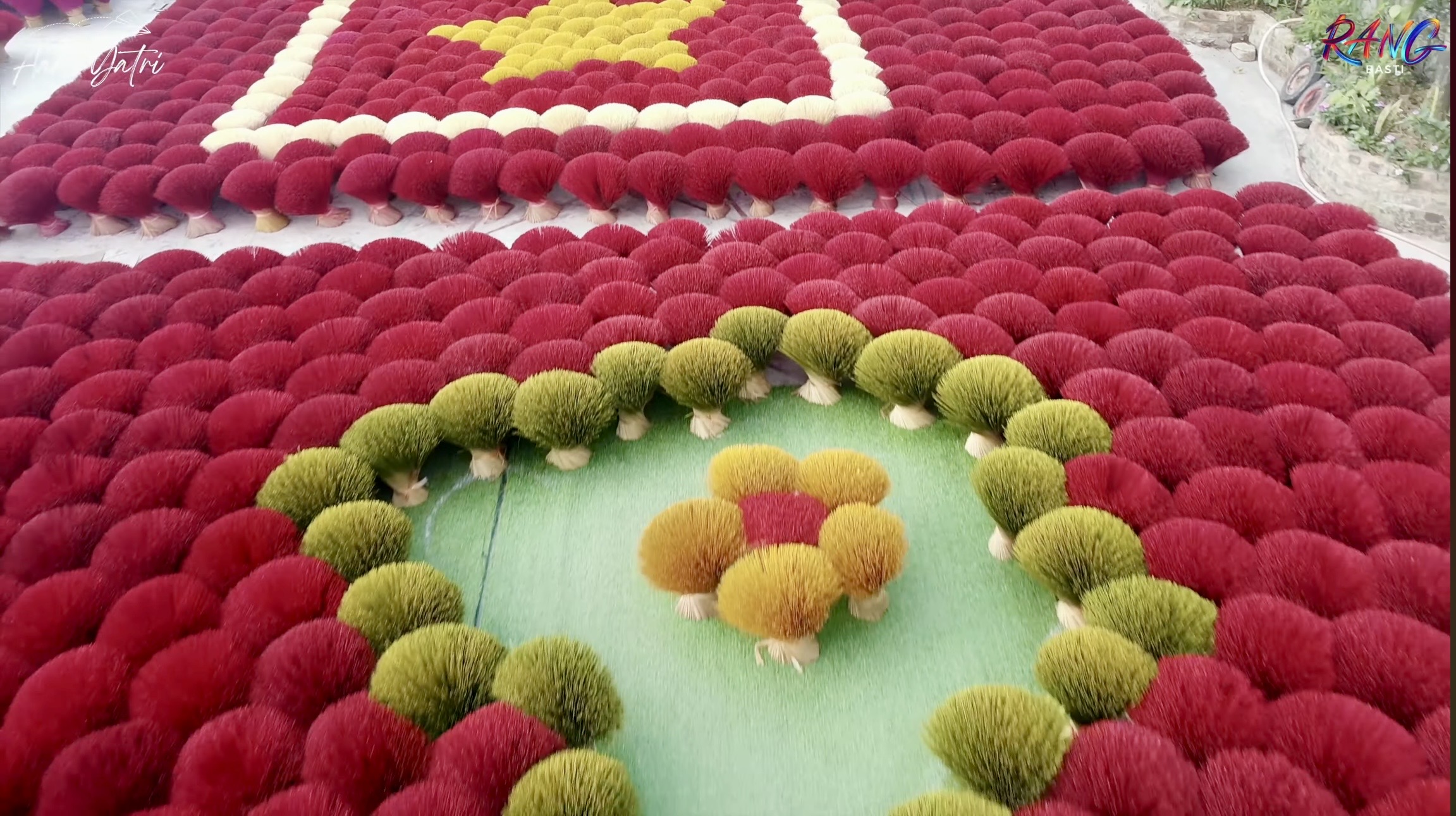
Colour, precision, and everyday artistry.
Stepping outside Hanoi, even for a day, reveals a completely different side of Vietnam. About forty-five minutes away, the movement of the city gives way to something quieter, where life is shaped by craft and routine rather than speed.
In Ha Thai village, lacquer painting is a process that demands time and precision. Each artwork goes through multiple stages, including layering, drying, sanding, and polishing, often taking weeks or months to complete. Watching this process closely reveals the level of patience required, and participating in even a small part of it changes how you see the final piece.
Further ahead, visiting a local home introduces a more personal experience. Conversations unfold slowly, often through translation, but the connection feels genuine. Stories of the past, including memories of war and change, are shared in a way that feels natural. The meal served here is simple, home-cooked, and deeply satisfying, shaped more by the setting than by complexity.
In the conical hat village, the simplicity of the final product contrasts with the precision required to create it. Bamboo frames, palm leaves, and careful stitching come together in a process that demands attention to detail. Even a small mistake can affect the structure.
The incense village offers a more visual experience. Rows of brightly coloured incense sticks are laid out to dry, creating patterns that feel almost artistic. Behind this visual appeal is repetition — work that is continuous, detailed, and deeply embedded in daily life.
These villages are not created for visitors.
They exist as they always have.
A City Understood Slowly
Returning to Hanoi after experiencing its quieter surroundings changes the way the city feels. The same streets, the same movement, the same energy — but understood differently.
Hanoi is not a place that reveals itself immediately. It requires time, not just to see, but to notice.
Why Vietnam Stays With You
Vietnam does not rely on spectacle. It builds gradually, through its people, its culture, and its ability to create richness from simplicity.
And somewhere between the movement of Hanoi and the stillness of its villages, the experience settles into something that stays.
Not as an answer.
But as a feeling.